
Introduction
Imagine a high-stakes real estate deal on the line, the clock ticking, and you are frantically searching through digital folders for a single clause hidden in a 100-page contract.
This stressful situation is common for real estate professionals. In an industry where every signature, deadline, and contingency can determine success or failure, the volume of documents, including purchase agreements, disclosures, and legal forms, becomes overwhelming.
Each transaction generates a complex paper trail that demands careful organization and quick access to critical information. Without the right tools, managing these files can slow down deals and increase the risk of costly errors. This is where AI document search in real estate plays a vital role.
It simplifies document management, speeds up information retrieval, and transforms a chaotic process into a streamlined, efficient workflow that saves time and improves accuracy. Ultimately, it empowers professionals to focus on closing deals instead of paperwork daily.
The High Cost of Manual Document Management
Traditional document management—relying on filing cabinets or basic digital folders riddled with pain points affecting productivity and compliance. Time lost searching for documents, the frustration of misfiled contracts, and the risk of human error in data entry represent substantial operational costs. Docsumo. (2025, February 19). The Definitive Guide To Real Estate Document Management. Lost contracts derail deals and damage client relationships, while slow searches delay transactions and impact cash flow. Furthermore, manual compliance checks expose firms to legal risks from overlooked clauses. As the volume of paperwork grows, traditional methods have become unsustainable. The industry is shifting from “filing” to leveraging documents as “intelligent data,” a transformation driven by advanced real estate automation tool
Semantic Search: Beyond Keywords to Contextual Understanding
One of the most profound advancements brought by AI document search is its ability to move beyond simple keyword matching to semantic search. Unlike traditional search functions that merely look for exact word matches, semantic search understands the context, intent, and meaning behind your query. This is a game-changer for real estate professionals who often deal with legal jargon and varied phrasing across countless documents.Imagine you’re looking for all clauses related to “roof repairs” across a portfolio of property leases. A keyword search might miss clauses that use terms like “structural maintenance of the building envelope” or “exterior waterproofing.” Semantic AI, however, can interpret these phrases as conceptually similar to “roof repairs,” providing a far more comprehensive and accurate result. This capability is powered by advanced Natural Language Processing (NLP) models that can analyze the relationships between words and phrases, understanding synonyms, hyponyms, and the overall subject matter.Use Case: A property manager needs to quickly identify all lease agreements that contain a “termination for convenience” clause, regardless of how it’s phrased. Instead of manually reviewing each document, an AI-powered semantic search can pinpoint all relevant clauses, even if they’re labeled as “early exit provisions” or “mutual agreement to dissolve contract.” This saves countless hours of tedious review, allowing managers to respond swiftly to tenant requests or market changes. 12 Best AI Tools for Real Estate Agents (2026).This intelligent understanding means real estate agents can spend less time scrolling and more time strategizing. It transforms the search process from a laborious chore into an insightful inquiry, ensuring no critical detail is overlooked due to linguistic variations. This is particularly vital in an industry where legal precision is paramount, and misinterpretations can lead to costly disputes.
Automated Data Extraction & Contract Intelligence
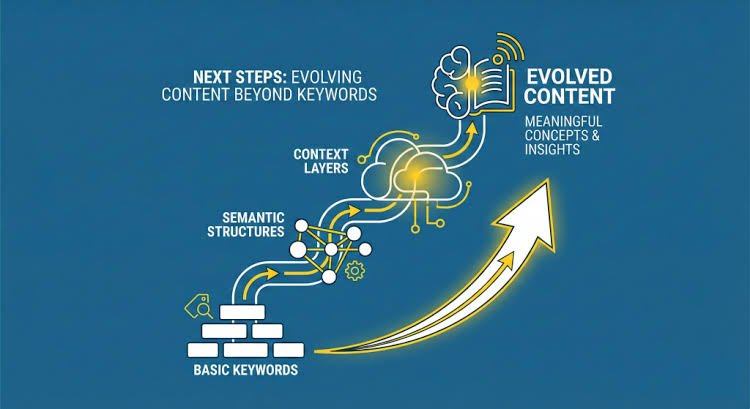
The real estate industry is awash in unstructured data scanned PDFs, handwritten notes, and various digital formats that are difficult for traditional systems to process. This is where automated data extraction and contract intelligence come into play, offering a revolutionary way to convert these disparate documents into actionable, structured information. AI, through a combination of Optical Character Recognition (OCR) and Natural Language Processing (NLP), can “read” and understand the content of a contract much like a human, but at an unparalleled speed and accuracy.OCR technology converts scanned images of text into machine-readable text, making even old, paper-based documents searchable and editable. Once the text is digitized, NLP algorithms then analyze the language to identify, extract, and categorize key data points. This means that details like party names, contract values, dates, terms, and specific clauses can be automatically pulled from documents and populated into other systems, such as Customer Relationship Management (CRM) platforms, lease management software, or accounting systems .Use Case: Consider a real estate firm managing hundreds of commercial leases. Manually extracting critical information like rent escalation clauses, lease expiration dates, and tenant improvement allowances from each lease is a monumental task, prone to errors and delays. With AI-powered data extraction, a firm can upload all its lease documents, and the AI will automatically identify and extract these specific data points, populating a central database. This not only saves countless hours of manual data entry but also ensures consistency and accuracy across the entire portfolio. For instance, tools like ListedKit AI are noted for their ability to read handwritten notes with human-level accuracy, further enhancing the scope of automated extraction . Docsumo also highlights its capabilities in automated rent roll processing, demonstrating how AI can streamline the extraction of vital financial data from property documents .This capability transforms document management from a reactive process of searching for information into a proactive system that automatically surfaces critical data, enabling better decision-making and significantly reducing the risk of missed deadlines or overlooked financial opportunities. It’s a fundamental shift in how property file organization AI operates, turning static files into dynamic, intelligent assets.
Real-Time Compliance & Risk Auditing
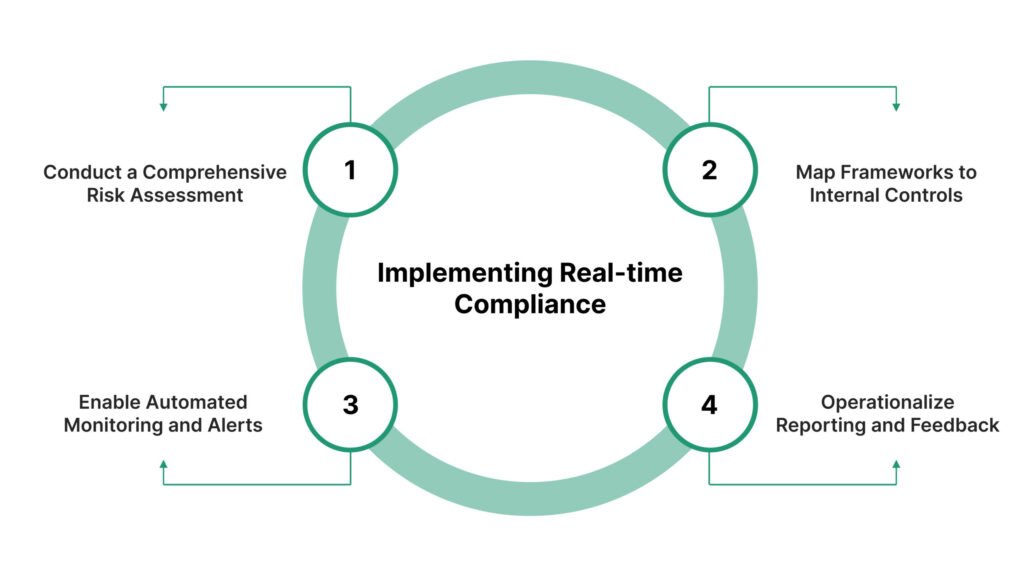
The real estate industry is heavily regulated, with a myriad of local, state, and federal laws governing every aspect of a transaction. Ensuring compliance is not just good practice; it’s a legal imperative. Manual compliance checks are time-consuming, prone to human error, and can expose real estate professionals to significant legal and financial risks. This is where AI steps in as a powerful “digital auditor,” capable of performing real-time compliance and risk auditing with unprecedented speed and accuracy.AI document search tools can be trained to understand regulatory requirements and identify deviations within contracts and property files. Ironclad. (2023, August 21). By analyzing vast amounts of legal text and historical compliance data, AI can flag missing disclosures, non-compliant clauses, or inconsistencies that might otherwise go unnoticed. This proactive approach significantly reduces the likelihood of legal disputes, fines, or even license suspension, as mandated by regulations like California Business & Professions Code Sec. 10148, which requires a three-year retention of all transaction documents .Use Case: A brokerage firm needs to ensure that all purchase agreements include the correct lead-based paint disclosure for properties built before 1978. Manually verifying this across hundreds of files is a daunting task. An AI system can scan all relevant documents in seconds, identifying any missing disclosures or incorrectly filled forms. Similarly, AI can be used to audit lease agreements for adherence to Fair Housing Act (FHA) guidelines, flagging any potentially biased or problematic language that could lead to legal challenges . This capability extends to identifying expired agreements, upcoming renewal dates, or clauses that might put the firm at a disadvantage.This constant, vigilant auditing by AI not only safeguards against legal liabilities but also provides peace of mind for brokers and property managers. It transforms compliance from a reactive scramble to a proactive, automated process, allowing professionals to focus on client relationships and strategic growth rather than administrative oversight. The ability of AI to instantly flag discrepancies protects commissions and enhances the overall integrity of real estate operations.
Enhanced Due Diligence & Portfolio Analytics
Due diligence is a critical phase in any real estate transaction, especially for commercial properties or large portfolios. It involves a thorough investigation of a property or asset to identify potential risks and opportunities. Traditionally, this process is labor-intensive, requiring extensive manual review of countless documents, financial statements, and legal records. AI document search significantly accelerates and enhances this process, providing deeper insights and enabling more informed decision-making.AI can rapidly process and analyze vast quantities of data from various sources, including property deeds, environmental reports, zoning regulations, and financial records. By extracting and synthesizing key information, AI tools can create comprehensive summaries and identify patterns or anomalies that might be missed by human reviewers. This capability is particularly valuable when dealing with large-scale investments or portfolio acquisitions, where the sheer volume of documentation can be overwhelming.Use Case: An investment firm is considering acquiring a portfolio of 500 multi-family properties. The due diligence process would typically take months, involving a team of analysts sifting through thousands of documents to assess each property’s financial performance, lease terms, and compliance status. Lorka AI. (2026, May 5). With AI document search, the firm can upload all relevant files, and the AI can quickly extract key financial metrics, identify problematic lease clauses, and flag any properties with outstanding compliance issues. This not only drastically reduces the time required for due diligence but also provides a more granular and accurate overview of the entire portfolio, turning what were once“dead files” into “live insights.” Furthermore, AI can summarize municipal PDFs, zoning changes, and city council meeting notes, providing agents with hyperlocal market intelligence in seconds . This capability empowers real estate professionals to conduct more thorough due diligence in a fraction of the time, leading to more confident and strategic investment decisions.
Pro Tip: The “Human-in-the-Loop” Factor
While AI document search offers incredible automation and efficiency, it’s crucial to remember that it’s a tool designed to empower, not replace, the human element. The most effective implementation of AI in real estate involves a “human-in-the-loop” approach. AI excels at processing vast amounts of data, identifying patterns, and flagging potential issues, but the nuanced understanding, strategic decision-making, and client-facing communication remain the domain of experienced real estate professionals. AI handles the grunt work, freeing up agents, brokers, and property managers to focus on high-value tasks, build stronger relationships, and leverage their expertise where it matters most. It’s about augmenting human intelligence, not substituting it.
Looking Ahead: AI in Real Estate 2026

The integration of AI into real estate document management is still in its nascent stages, yet its trajectory suggests a future of even greater transformation. By 2026 and beyond, we can anticipate several groundbreaking developments:
- Predictive Analytics for Transaction Success: AI will move beyond identifying existing issues to predicting potential problems. Imagine an AI analyzing contract clauses, market conditions, and historical data to forecast which deals are at higher risk of falling through, allowing agents to intervene proactively.
- Voice-Activated Document Retrieval: The days of typing queries might soon be replaced by natural language voice commands. “Hey AI, find all properties in the portfolio with a cap rate above 7% and a lease expiring in the next 12 months” could become a common instruction, delivering instant, precise results.
- Fully Autonomous Transaction Management: While human oversight will always be critical, AI agents could manage routine aspects of transactions end-to-end, from drafting initial agreements based on templates to coordinating disclosures and tracking deadlines, only escalating complex negotiations or unique situations
Conclusion
The real estate industry stands at the precipice of a profound digital transformation, with AI document search leading the charge. The days of being buried under a mountain of paperwork, battling lost contracts, and enduring slow, error-prone manual searches are rapidly drawing to a close. By embracing AI document search in real estate, professionals can unlock unprecedented levels of efficiency, accuracy, and strategic insight.This isn’t merely about adopting new technology; it’s about redefining how real estate operates, moving from reactive problem-solving to proactive, data-driven decision-making. The benefits from mitigating legal risks and streamlining compliance to enhancing due diligence and freeing up valuable time are too significant to ignore. For real estate agents, brokers, and property managers looking to thrive in an increasingly competitive and complex market, the message is clear: start small, but start now. Explore the power of smart document management and position your business at the forefront of innovation. The future of real estate is intelligent, automated, and remarkably efficient.