
Welcome to an insightful journey into the dynamic world of real estate! In 2026, growing a successful real estate business demands a blend of timeless wisdom and cutting-edge innovation. This guide offers 100 proven strategies, combining traditional networking with digital marketing and AI-driven tools. Our goal is to help you thrive by generating high-quality leads, closing deals efficiently, and building a robust, profitable brand. We’ve curated practical, adaptable techniques for tangible results, whether you’re a seasoned professional or a budding agent. Let’s explore how to unlock new levels of success.
Traditional Real Estate Growth Strategies

1. Referrals
Referrals are powerful endorsements from past clients and contacts, leading to faster conversions and higher lifetime value. Implement incentive programs and provide exceptional service to encourage confident recommendations. Building trust ensures a steady stream of quality leads.
2. Networking
Cultivate a strong professional network by attending local business and community events. Focus on genuine relationship-building and consistent follow-up. A robust network boosts visibility, creates referral opportunities, and establishes your reputation as a knowledgeable professional.
3. Open Houses
Strategically schedule and market open houses to showcase properties and generate leads. Engage with visitors, collect contact information, and identify potential clients. Meticulous preparation and professional interaction convert visitors into prospects.
4. Direct Mail
High-quality direct mail, like postcards or letters, creates a tangible presence. Target specific neighborhoods and track response rates, combining with digital follow-up. Offer value, such as market reports, to engage recipients and drive measurable leads.
5. Community Involvement
Actively participate in local charities, events, and organizations. This builds visibility and trust, positioning you as a trusted local expert. Genuine involvement fosters goodwill, organic connections, and referrals from loyal community members.
6. Strategic Partnerships
Build mutually beneficial relationships with complementary professionals like mortgage brokers and home inspectors. These partners provide access to qualified leads and enhance your credibility through trusted referrals. Reciprocal referrals create a robust support ecosystem for clients.
7. Client Appreciation Programs
Implement programs to maintain long-term relationships with past clients through personalized communication and thoughtful gestures. Consistent appreciation keeps you top-of-mind, fostering loyalty and transforming satisfied customers into enthusiastic advocates.
8. Local Market Expertise
Continuously research sales data, inventory, and economic indicators to position yourself as the go-to expert. Share insights through blogs, social media, and consultations. Proactively providing valuable, data-backed information builds authority and attracts new clients.
9. Farming Neighborhoods
Concentrate marketing efforts on specific geographic areas with a multi-channel approach. Repeated exposure builds familiarity and trust, making you the first agent homeowners consider. Sustained effort establishes you as the neighborhood expert.
10. Relationship Marketing
Prioritize active listening, transparent communication, and exceptional service. Use a CRM to manage interactions effectively. Strong relationships lead to repeat business and a steady pipeline. Consistent, meaningful communication and continued value provision are key.
11. Host Educational Workshops
Organize free sessions on topics like first-time homebuyer guides to educate clients and build trust. This positions you as an expert and attracts serious leads. Promote through social media, collect attendee details, and follow up consistently to convert leads.
12. Local Seminars
Host in-depth events focused on market trends or investment strategies for serious audiences. Attendees are often ready to act, making them high-quality leads. Prepare data-driven presentations and promote them through ads. Follow up with personalized consultations to convert attendees.
13. Sphere of Influence (SOI) Marketing
Stay connected with people you already know—friends, family, past clients—through regular, meaningful communication. Referrals and repeat business stem from trusted relationships. Use a CRM to organize contacts and implement a consistent communication plan.
14. Door-Knocking
Visit homes directly in targeted areas to introduce yourself and build local awareness. Face-to-face contact builds trust and recognition. Use a friendly script offering value like market info. Be a helpful resource and a familiar face to increase local presence.
15. Cold Calling
Contact potential clients who haven’t interacted with you to generate leads and appointments. Use verified lead lists and a concise script focusing on booking appointments. Consistent practice and diligent follow-up are paramount to turning initial interest into solid leads.
16. Expired Listings
Reach out to properties that failed to sell, offering a better marketing strategy to relist them. Homeowners are motivated and need an effective approach. Research expired listings daily, present your unique marketing plan, and focus on solving their previous selling challenges.
17. For Sale By Owner (FSBO)
Contact homeowners selling without an agent, offering guidance or a free consultation. Many FSBO sellers struggle with pricing and exposure. Highlight the complexities of selling independently and demonstrate your value in market knowledge and negotiation skills.
18. Geographic Information Systems (GIS) for Targeting
Use mapping tools and data analysis to identify property values, trends, and demographics for precise marketing. Targeted campaigns based on real data produce higher engagement and better-quality leads. GIS allows you to tailor marketing messages to specific areas.
19. Professional Photography & Videography
Utilize high-quality visuals, including photos, videos, and virtual tours, to showcase properties effectively. Strong visuals increase buyer interest, engagement, and perceived property value. Professional content makes listings stand out and generates more inquiries.
20. Home Staging
Prepare a property for sale by decluttering, depersonalizing, and improving its presentation. Staged homes sell faster and often at higher prices by helping buyers visualize the space. Staging creates an aspirational lifestyle, making the property feel inviting.
21. Virtual Staging
Digitally furnish empty properties using design software to make listings more attractive. Virtual staging helps buyers better understand the space and increases online engagement. This cost-effective alternative provides visual appeal, helping buyers envision an empty house as their future home.
22. Pre-listing Consultations
Conduct detailed meetings with sellers before listing, including a walkthrough, improvement suggestions, and marketing strategy. This builds trust, sets expectations, and positions you as a knowledgeable professional. Advise on repairs and decluttering to maximize appeal.
23. Post-closing Follow-up
Stay in touch with clients after the deal through thank-you messages and ongoing support. Long-term relationships lead to referrals and repeat business. Reinforce the positive experience and demonstrate value beyond the transaction, transforming clients into lifelong advocates.
24. Client Testimonials & Reviews
Actively collect and showcase positive feedback from satisfied clients on platforms like Google and Zillow. Positive reviews build credibility and significantly influence new clients’ decisions. Make it easy for happy clients to leave reviews and share them across your channels.
25. Community Events Sponsorship
Support local events to increase brand visibility and strengthen community presence. Aligning your brand with positive community initiatives fosters goodwill and trust. Sponsorships offer branding opportunities and allow direct engagement with potential clients.
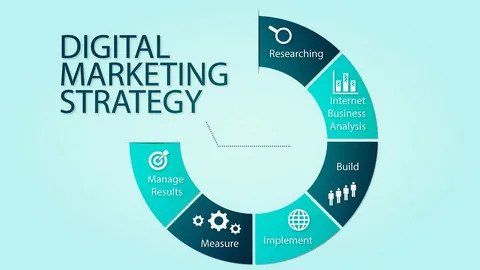
Digital Marketing Strategies
26. Website Optimization
Optimize your real estate website to be fast, mobile-friendly, and easy to navigate, integrating CRM and local keywords. A well-optimized site improves user experience, increases leads, and ranks better on search engines. Focus on intuitive design and clear calls to action.
27. Local SEO
Improve your online visibility in local search results so clients in your area can easily find you. Most real estate searches are location-based. Optimize your Google Business Profile, ensure consistent NAP information, and create hyper-relevant content for your service areas.
28. Google Business Profile
Your Google Business Profile (GBP) is a powerful free tool for local agents, enhancing visibility in local searches and Google Maps. It increases visibility, builds trust through reviews, and drives direct inquiries. Optimize your GBP with accurate hours, services, and photos.
29. Blogging
Publish helpful, keyword-optimized articles about real estate topics to attract, educate, and engage potential clients. Valuable content improves SEO, builds authority, and drives organic traffic. Consistently delivering high-quality, informative content attracts new leads and nurtures existing ones.
30. Email Marketing
Send targeted emails to segmented audiences (buyers, sellers, past clients) with updates and valuable information. Email marketing keeps you top-of-mind and nurtures leads. Segment lists for relevant content, personalize messages, and maintain a consistent sending schedule.
31. Facebook Ads
Run targeted advertising campaigns on Facebook to reach potential buyers and sellers in specific locations and demographics. Facebook’s advanced targeting generates highly qualified leads at scale. Pinpoint your ideal audience and craft compelling ad creatives.
32. Google Ads
Utilize paid search to place your business at the top of Google results for real estate-related keywords. This targets high-intent users actively looking for properties or agents. Thorough keyword research and compelling ad copy are essential for capturing qualified leads.
33. Pinterest Marketing
Share visually appealing pins like listings, home design ideas, and local lifestyle content to attract potential clients. Pinterest users are often in a planning mindset, making them future buyers or sellers. Link pins to your website to drive traffic and generate leads.
34. Instagram Reels Marketing
Create short-form, captivating videos showcasing properties, market updates, or behind-the-scenes content. Reels have high organic reach and engage users quickly through visual storytelling. Use trending audio and concise captions to increase brand visibility and attract new followers.
35. TikTok Property Marketing
Use short, creative, and entertaining videos to showcase properties, share tips, or highlight unique insights. TikTok’s algorithm promotes engaging content to a wide audience. Be authentic, creative, and provide value in a digestible format to increase visibility and attract new clients.
36. YouTube Shorts Strategy
Create concise, engaging video clips from property tours, tips, or market updates and publish them on YouTube Shorts. Shorts gain high visibility and drive traffic to your main YouTube channel and listings. Leverage trending sounds and include clear calls to action.
37. Hyperlocal Content Marketing
Create content specifically about small geographic areas like neighborhoods, schools, and local events. People prefer agents who understand their exact area. Publish detailed neighborhood guides or community updates. Position yourself as the indispensable local expert, attracting high-intent leads.
38. Interactive Property Maps
Add digital maps to your website where users can view property locations, nearby amenities, and filters. This improves user experience and helps buyers visualize locations. Users can actively engage with the map, differentiating your website and generating higher-quality leads.
39. Virtual Property Tours
Offer immersive 3D walkthroughs or video tours that allow buyers to explore properties online. Virtual tours increase engagement, save time, and attract remote buyers. A well-executed tour provides a realistic sense of space and detail, enhancing transparency and building trust.
40. Retargeting Campaigns
Display targeted ads to people who have already interacted with your website or content. This targets warm leads who are more likely to convert. Retargeting acts as a gentle, persistent reminder, keeping your business top-of-mind and reinforcing your brand.
41. Conversion Rate Optimization (CRO)
Improve your website and landing pages to convert more visitors into leads or clients. Small changes in design, messaging, and user flow can significantly increase conversions. Analyze user behavior and test different elements to ensure a smooth user experience.
42. Influencer Marketing
Collaborate with local influencers whose engaged audience matches your target market. People trust recommendations from familiar online personalities. Partnering with an influencer provides access to their audience, promoting services or listings authentically and generating buzz.
43. Podcast Advertising/Sponsorship
Promote your services through podcast ads or guest appearances on relevant shows. Podcasts build strong listener trust and attention. Choose podcasts aligning with your target demographic. This builds brand awareness, generates leads, and establishes credibility with a dedicated audience.
44. Online Reputation Management
Actively monitor, maintain, and enhance your brand image across review sites, social media, and online directories. Positive reviews and professional responses build credibility and influence client decisions. Solicit reviews and respond promptly to all feedback.
45. Content Syndication
Republish your existing content (blog posts, articles, market reports) across multiple platforms to increase reach and visibility. This exposes your brand to a wider audience and can improve SEO authority. Amplify your message and establish thought leadership.
46. Lead Magnets & Gated Content
Offer valuable resources like e-books or market reports in exchange for user contact details. People share information for useful content, capturing qualified leads. Create high-quality, relevant content addressing specific pain points and nurture these leads through email marketing.
47. Interactive Quizzes & Calculators
Provide engaging tools like mortgage calculators or buyer readiness quizzes. These increase user engagement and provide personalized results. Data collected helps lead to qualification. Interactive tools transform your website into a dynamic resource that attracts, engages, and pre-qualifies potential clients.
48. WhatsApp Business for Client Communication
Utilize WhatsApp Business as a professional channel for inquiries, sharing listings, and scheduling appointments. Its convenience and directness make it effective. Business features streamline communication. Meet clients on their preferred platform, fostering stronger relationships and enhancing the overall client experience.
49. LinkedIn for Professional Networking & Lead Generation
Build a strong professional presence on LinkedIn to connect with clients, investors, and industry partners. Optimize your profile, share industry insights, and engage in discussions. Nurturing your LinkedIn network establishes you as a thought leader, attracting high-quality leads and strategic partnerships.
50. Voice Search Optimization
Optimize your website content and local listings for voice assistants. More users rely on voice commands for real estate information. Create content that answers common questions directly, using long-tail keywords and natural language. Adapt your SEO strategy to capture a growing segment of the market.
AI & Automation Strategies

51. AI Agents for Real Estate Operations
Deploy AI-powered tools to automate routine tasks like scheduling, data entry, and basic client communication. This significantly reduces manual workload, improving efficiency. Agents can focus on high-value activities, allowing business scaling without proportional administrative overhead.
52. AI-Powered Property Recommendations
Leverage machine learning to analyze client behavior and market data to suggest relevant properties. This offers personalized and predictive matching for buyers. AI processes complex patterns, presenting curated options that resonate, enhancing client experience and streamlining the search process.
53. Generative AI for Listing Descriptions
Use generative AI to instantly create professional, engaging, and SEO-optimized property descriptions. This saves immense time and resources while ensuring consistent quality. Agents focus on strategic tasks, ensuring listings always present properties in their best light.
54. AI Voice Assistants for Lead Qualification
Deploy automated voice systems to interact with potential clients, answer basic questions, and gather essential information. This qualifies leads before they reach a human agent. AI voice assistants provide instant responses 24/7, improving efficiency and boosting conversion rates.
55. AI Meeting Assistants for Client Calls
Use AI to automatically record, transcribe, and summarize client conversations, highlighting key points and action items. This provides an accurate record, reducing manual note-taking and ensuring no detail is missed, enhancing client service and timely follow-up.
56. Predictive Analytics for Finding Sellers
Use AI algorithms to analyze datasets and predict which homeowners are most likely to sell. This allows agents to proactively target motivated sellers before they list. AI identifies patterns, shifting lead generation from reactive to proactive, leading to higher conversion chances.
57. AI-Powered CRM Automation
Integrate AI into your CRM to automate tasks like follow-ups, personalized communications, and client segmentation. AI improves efficiency and ensures no lead is missed. AI analyzes client data to predict needs and suggest optimal engagement strategies, transforming CRM into an intelligent assistant.
58. AI Video Creation for Property Marketing
Use AI tools to automatically create dynamic property videos from images, text, and audio. This transforms static assets into compelling visual stories, increasing engagement. AI generates professional-quality video tours in minutes, saving time and enhancing online presence.
59. AI Social Media Content Generation
Use AI to generate creative post ideas, craft compelling captions, and design visual content for social media. This produces fresh, relevant, and engaging content quickly, ensuring consistent posting and improved audience engagement.
60. AI-Based Lead Scoring Systems
Use AI to analyze lead data (website behavior, email engagement, demographics) to assign a predictive score. AI identifies subtle patterns, predicting which leads are most likely to convert. This helps agents prioritize high-quality leads, streamlining lead management.
61. AI Email & SMS Automation
Streamline communication with clients using AI to send personalized and timely emails and text messages. This ensures consistent engagement and improves communication speed. AI automatically sends welcome emails, property recommendations, or open house reminders.
62. AI Lead Qualification
Use AI to efficiently assess and prioritize incoming leads by analyzing responses, behavior, and demographic data. AI helps agents focus on high-quality leads, saving time and improving conversion rates. Human agents step in when leads are genuinely warm.
63. AI Chatbots
Deploy AI chatbots to provide instant, 24/7 client support and capture leads efficiently. Chatbots offer immediate responses to inquiries, improving customer experience and capturing lead information outside business hours. This makes your business more accessible and efficient.
64. Real Estate Workflow Automation
Implement technology to automate repetitive processes throughout the transaction lifecycle: lead tracking, appointment scheduling, document handling, and updates. This reduces manual errors, saves time, and ensures smoother operations, boosting productivity and enhancing client experience.
65. Automated Email Follow-Up Sequences
Design pre-designed email campaigns automatically sent to leads based on actions or stages. This ensures consistent follow-up, builds trust, and keeps leads engaged. A sequence sends welcome emails, market insights, or property spotlights, nurturing leads efficiently.
66. Automated SMS Lead Nurturing
Leverage scheduled text message sequences for direct communication with leads. This sends timely updates, reminders, and personalized follow-up messages. SMS has high open and response rates, making it effective for urgent information, accelerating the sales cycle.
67. Automated Appointment Scheduling
Use online tools and AI-powered systems for clients to book appointments directly, eliminating manual coordination. This reduces delays, improves convenience, and ensures faster lead conversion. This frees up administrative time and optimizes your calendar for productivity.
68. Automated Client Onboarding Workflows
Streamline the initial client process using technology to automatically collect documents, share information, and guide clients. This saves time, improves organization, and creates a consistent, professional experience, building a strong foundation for successful client relationships.
69. Workflow Automation Using Zapier
Connect different apps and services to automate repetitive tasks without coding. Set up automated workflows (Zaps) that trigger actions in one app based on events in another. This eliminates manual work and ensures seamless data transfer, creating an efficient, interconnected ecosystem.
70. Automated Review Collection Systems
Set up systems to automatically request feedback from clients after successful transactions, guiding them to leave reviews. This consistently generates positive reviews, vital for building trust and influencing prospective clients, attracting new business.
71. Automated Open House Registrations
Use digital forms, QR codes, or software to automatically capture visitor details during open houses. This speeds up data collection, eliminates manual paperwork, and ensures no lead is missed, enhancing professionalism and streamlining lead capture.
72. Automated Market Update Reports
Implement systems that regularly generate and send real estate market insights to clients and leads. This provides timely, data-driven information without manual effort, establishing you as a go-to resource and building trust.
73. Automated Lead Distribution Systems
Automatically assign incoming leads to agents based on rules like location or expertise. This ensures faster response times and fair distribution of opportunities, minimizing delays and maximizing conversion chances.
74. Automated Transaction Management
Streamline the entire deal process using specialized software to manage documents, deadlines, and communication. This reduces manual errors, saves time, and ensures smoother coordination, enhancing client experience and leading to successful, timely closings.
75. AI-Powered Property Valuation
Use AI to analyze market data and instantly estimate property values. This provides fast, data-driven pricing insights for informed decisions. An AI model processes thousands of data points to give precise valuations, gaining a competitive edge in pricing strategies.
Data, Analytics & Business Intelligence

76. Tracking Marketing ROI
Meticulously measure the performance of all marketing activities by analyzing key metrics like Cost Per Lead (CPL) and conversion rates. This identifies profitable strategies and eliminates wasteful spending, allowing intelligent budget allocation and greater profitability.
77. Real Estate Business Dashboards
Utilize centralized, visual tools to provide a real-time overview of key performance indicators (KPIs) for sales, revenue, and marketing. Dashboards consolidate data, offering quick visibility into business health and enabling strategic adjustments.
78. Customer Journey Analytics
Track the full path a client takes from first contact through closing. Map every touchpoint and interaction to reveal key influences and improve conversion strategies. Understand where clients drop off to optimize marketing and refine sales processes.
79. Lead Source Analysis
Evaluate which marketing channels generate the best quality leads and highest revenue. This provides clear data on where valuable clients originate, helping focus time and budget on profitable sources and ensuring impactful lead generation.
80. Market Trend Forecasting
Leverage data analysis and predictive tools to anticipate changes in real estate markets. Analyze historical data, economic indicators, and demographic shifts to predict future movements, helping agents and investors make proactive, informed decisions.
81. Competitor Benchmarking
Analyze other real estate agents or agencies to understand their strategies and performance. Identify best practices, opportunities for differentiation, and areas for improvement. Compare your strategies to gain a competitive edge and solidify your market position.
82. Website Heatmap Analysis
Use visual tools to understand how users interact with your website. Heatmaps show where users click, scroll, and spend time, revealing behavior patterns and highlighting areas for improvement in engagement and conversion.
83. Conversion Funnel Tracking
Meticulously monitor the step-by-step journey of leads from initial interaction to becoming a client. This identifies where potential clients drop off, allowing you to address weaknesses in your sales process and implement targeted improvements to increase conversion rates.
84. Predictive Market Insights
Apply advanced data analytics to forecast future real estate trends. Use algorithms and statistical models to analyze historical data and economic indicators. This helps agents and investors make proactive, data-driven decisions, empowering clients with a strategic advantage.
85. Performance KPI Monitoring
Continuously track and analyze critical metrics (leads generated, conversion rates, transaction value, client satisfaction) that reflect your business’s health. This ensures focus on measurable goals and allows for quick strategy adjustments, driving growth and success.
Personal Branding & Authority Building
86. Building a Personal Brand on LinkedIn
Establish authority, attract high-quality leads, and connect with industry players on LinkedIn. Optimize your profile, share industry insights, and engage in discussions. Nurturing your LinkedIn network establishes you as a thought leader, attracting inbound leads and strategic partnerships.
87. Creating a Real Estate Podcast
Produce audio content sharing market knowledge, expert interviews, and local real estate topics. Podcasting builds strong listener trust and attention. Consistent, valuable content cultivates a loyal, engaged audience who turn to you for real estate needs.
88. Hosting Live Q&A Sessions
Host live broadcasts on platforms like Instagram, Facebook, or YouTube to engage directly with your audience. This builds trust, answers objections instantly, and showcases transparency, fostering community and attracting new leads.
89. Becoming a Local Market Influencer
Consistently share valuable, location-specific real estate content to become the trusted voice in your area. Actively engage with your community, online and offline, to establish yourself as the go-to expert for all things real estate.
90. Publishing Original Market Research
Collect and analyze local real estate data, then share unique insights publicly through reports or whitepapers. This builds strong authority and differentiates you from competitors, positioning you as an indispensable resource.
91. Building a Community Newsletter
Send regular emails with local news, market updates, and community events. This keeps you consistently visible and positions you as a trusted local resource, nurturing relationships and establishing you as the go-to local expert.
92. Speaking at Industry Conferences
Present your knowledge and experience at real estate or business events, positioning yourself as an industry expert. Public speaking builds immense credibility and authority, enhancing your reputation and gaining networking opportunities.
93. Creating Educational Webinars
Host online training sessions on topics like buying, selling, or investing in real estate. Webinars attract engaged audiences and generate high-quality leads, establishing you as an expert and valuable resource.
94. Writing Industry White Papers
Produce detailed, research-based reports on specific real estate trends or market analyses. White papers build strong authority and showcase deep expertise, attracting high-net-worth clients and media attention.
95. Creating a Real Estate YouTube Channel
Produce consistent video content like property tours, market updates, and neighborhood guides. YouTube increases visibility, builds trust, and attracts long-term organic traffic, establishing you as a leading content creator.
Future-Focused Real Estate Growth Strategies
96. Smart Home Technology Marketing
Promote properties with modern smart features like security systems and automation. Tech-savvy buyers value convenience and energy savings. Highlight these features to increase property appeal and position yourself as an agent embracing modern living.
97. Sustainability & Green Home Marketing
Focus on promoting eco-friendly property features such as solar panels and energy-efficient appliances. Buyers are increasingly interested in lower utility costs and environmental responsibility, appealing to a growing segment of conscious buyers.
98. Blockchain in Real Estate Transactions
Understand and explain how blockchain technology improves transparency, security, and efficiency in property deals. Blockchain creates an immutable, decentralized ledger, reducing fraud and speeding processes, positioning you as an innovative agent.
99. Digital Closing Processes
Utilize online platforms for document signing, verification, and electronic fund transfers. This makes closing faster, more secure, and more convenient, eliminating physical meetings and speeding up the process.
100. Augmented Reality Home Staging
Overlay virtual furniture and design elements onto real spaces using AR technology. This improves buyer imagination and increases emotional connection, helping buyers visualize potential interiors and enhancing the viewing experience.
Comparison Section
To provide a clearer perspective on the diverse strategies discussed, let’s look at a comparative overview of Traditional Marketing, Digital Marketing, and AI-Powered Growth approaches. This table highlights key features, offering insights into their respective strengths and characteristics.
| Feature | Traditional Marketing | Digital Marketing | AI-Powered Growth |
| Cost | Can be high (print ads, direct mail, events) | Variable, can be optimized (PPC, social ads) | Initial investment in tools, then scalable |
| Speed | Slower, builds over time | Moderate to fast (SEO takes time, ads are instant) | Very fast (automation, instant insights) |
| Scalability | Limited by physical presence and time | Highly scalable, global reach | Extremely scalable, handles vast data and tasks |
| ROI | Harder to track precisely, often long-term | Highly measurable, immediate feedback | Highly measurable, optimized for maximum ROI |
| Lead Quality | Often high (referrals, personal connections) | A variable can be refined with targeting | High (predictive analytics, deep qualification) |
Conclusion
The real estate industry in 2026 is a vibrant and dynamic landscape, offering immense opportunities for those willing to adapt and innovate. The sustained growth we anticipate comes from harmoniously integrating traditional charm, digital prowess, and AI-driven efficiency. Traditional relationship-building remains the bedrock, fostering trust and personal connections that are irreplaceable. Digital marketing amplifies reach and provides data-driven insights, connecting you with a broader audience and enhancing your online presence. Meanwhile, AI-powered tools are emerging as transformative forces, offering unprecedented levels of automation, personalization, and predictive capabilities. By embracing this synergistic approach, real estate professionals can navigate market complexities with greater ease, build resilient businesses that can withstand fluctuations, and deliver exceptional value to their clients. The 100 strategies outlined in this guide provide a comprehensive roadmap to thrive, establishing you as a forward-thinking leader in an evolving industry. The future of real estate is here, powered by connection, innovation, and intelligent growth. It’s an exciting time to be in real estate, and by strategically implementing these diverse approaches, you are well-positioned for unparalleled success. Embrace the journey, continuously learn, and watch your business flourish in this exciting new era.