
Introduction
The real estate industry has always been a high-stakes, relationship-driven business where timing is everything.
For decades, agents have balanced their days between showing properties, negotiating deals, and the grueling task of lead generation and qualification.
However, the landscape is shifting rapidly. We are moving away from the era of manual follow-ups and “spray and pray” marketing into a sophisticated age of automation. AI agents autonomous digital entities capable of reasoning, interacting, and executing tasks
are now at the forefront of this transformation. These agents don’t just “chat”; they qualify leads, manage complex sales workflows, and integrate seamlessly with existing CRM systems to ensure no opportunity is missed.
In this article, we will explore how AI is redefining the real estate lifecycle, specifically focusing on lead qualification and sales automation.
We’ll dive into the technical workflows, the strategic benefits, and the future of human-AI collaboration in the property market. Whether you’re a solo broker or a large-scale developer, understanding these workflows is no longer optional it’s the key to staying competitive in 2026 and beyond.
The Evolution of Real Estate: From Manual to AI-Driven
Traditionally, real estate success was built on a “hustle” culture. Agents would spend hours manually filtering through web inquiries, cold-calling prospects, and trying to distinguish a “window shopper” from a serious buyer. This manual approach often led to “lead decay”the phenomenon where a lead’s interest drops significantly if they aren’t contacted within the first five minutes. Research shows that responding to a lead within five minutes increases the chances of conversion by nearly 100 times compared to a 30-minute delay.Today, AI agents have effectively eliminated this bottleneck. By using Natural Language Processing (NLP) and Large Language Models (LLMs), these agents can engage with a lead the second they submit a form. They don’t just acknowledge the receipt; they start a conversation. They ask about budget, location preferences, and timeline, performing the initial “discovery” phase that used to take an agent hours of back-and-forth. This shift represents a move from reactive to proactive sales, where the AI handles the volume, and the human agent handles the closing.Morgan Stanley (2025).
AI Agents: The New Digital Workforce for Realtors
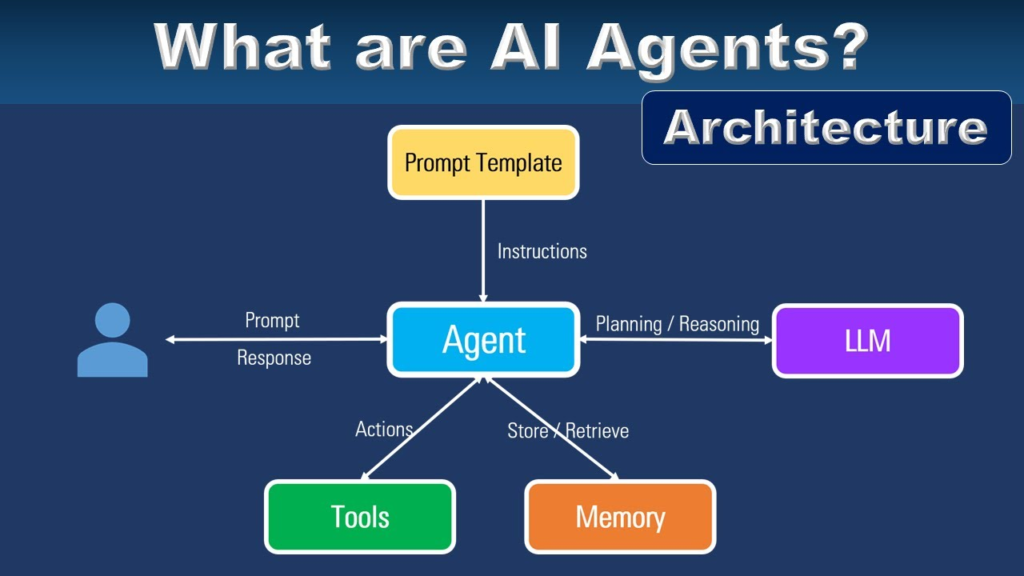
When we talk about AI agents, it’s important to distinguish them from simple chatbots. A traditional chatbot follows a rigid “if-then” logic. An AI agent, however, is “agentic” it can make decisions based on the context of a conversation. In a real estate context, an agentic AI might notice that a lead is asking about school districts and automatically pull data on local education ratings to provide a more personalized response. n8n (2026). AI real estate agent: end-to-end ops automation.These agents act as a 24/7 digital workforce. They can handle thousands of simultaneous conversations across WhatsApp, SMS, and email without ever getting tired or losing focus. For a brokerage, this means the “top of the funnel” is always active. The AI agent acts as a gatekeeper, ensuring that only “warm” or “hot” leads those who meet specific criteria like pre-approved financing or an immediate moving timeline are passed on to the human sales team. This allows human agents to focus on high-value tasks like property tours and contract negotiations.
Automating Lead Capture and Qualification Workflows
The core of AI automation lies in the “qualification workflow.” A typical automated workflow starts with a trigger usually a new lead from a website like Zillow, a Facebook ad, or a landing page. Once the lead enters the system, the AI agent takes over. It validates the contact information, checks the lead against the existing database to see if they are a returning client, and then initiates a conversation.The qualification process is often structured using “scoring” models. The AI evaluates the lead’s responses: Are they looking to buy within 3 months? (High Score). Do they have a down payment ready? (High Score). Are they just “looking for ideas”? (Low Score). Based on this score, the AI can either book an appointment directly into the agent’s calendar or place the lead into a long-term nurturing sequence. Jotform (2026). This level of precision ensures that the sales team isn’t wasting time on leads that aren’t ready to transact, thereby increasing the overall ROI of marketing spend. Matthew Cohn (2025).
Voice AI: The Future of Inbound and Outbound Calls
Perhaps the most impressive advancement in AI agents is the rise of Voice AI. Using tools like ElevenLabs for realistic text-to-speech and Twilio for call routing, AI agents can now conduct phone interviews with leads.Gupshup (2025). Real Estate Lead Generation with AI Agents.Imagine a lead submits an inquiry at 11:00 PM. Within seconds, their phone rings, and a friendly, professional AI voice introduces itself as the assistant to the realtor.The AI can handle objections, answer questions about property features, and even gauge the lead’s sentiment through their tone of voice. This isn’t just a recording; it’s a dynamic, two-way conversation. Once the call ends, the AI automatically generates a transcript, summarizes the key points, and updates the CRM. This level of immediate, high-touch engagement was previously impossible without a massive, 24/7 call center. Now, it’s available to any agent with the right tech stack.
Integrating AI with CRMs for Seamless Sales Pipelines
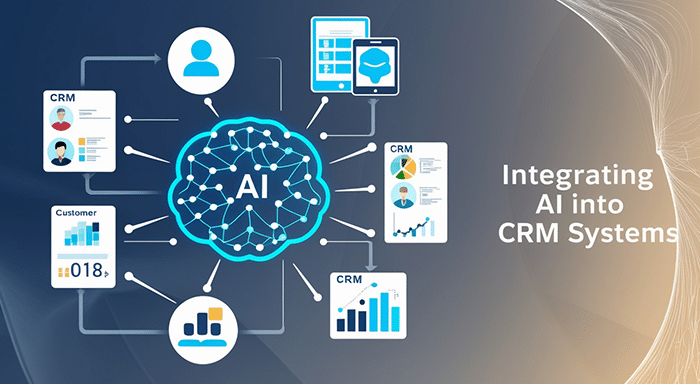
An AI agent is only as good as the data it can access and update. This is why integration with CRMs like Follow Up Boss, HubSpot, or Salesforce is critical. In a modern sales workflow, the AI agent acts as the “connective tissue” between the lead source and the CRM. Follow Up Boss (2026). When a lead is qualified, the AI doesn’t just send an email; it creates a new “Deal” in the CRM, attaches the conversation history, and sets a “Task” for the human agent to follow up.This automation prevents “lead leakage”the common problem where leads get lost in spreadsheets or forgotten in unread emails. Furthermore, the AI can perform “lead nurturing” by monitoring the lead’s behavior. If a qualified lead visits the website again to look at a specific property, the AI can trigger a personalized SMS: “Hi Sarah, I saw you were looking at 123 Maple St again. Would you like to schedule a virtual tour tomorrow?” This hyper-personalized, timely follow-up is what drives modern real estate conversions.
Semantic Search and Hyper-Personalized Property Discovery
The way buyers find homes is also changing thanks to “Semantic Search.” Traditional search engines rely on keywords (e.g., “3 bedrooms, 2 bathrooms”). However, AI agents use vector databases (like Qdrant) to understand the intent behind a search. A buyer might tell an AI agent, “I want a home that feels cozy, has lots of natural light, and is close to a good coffee shop.”The AI agent understands that “cozy” might mean a fireplace or wood flooring, and “natural light” refers to south-facing windows or open floor plans. It then scans thousands of listings to find the perfect match, even if those specific keywords weren’t in the listing description. This level of personalization creates a much better user experience. According to recent data, AI-powered recommendations are up to 73% more accurate than traditional keyword searches, leading to faster decision-making and shorter sales cycles.Jasmine Directory (2025).
Predictive Analytics: Pricing, Timing, and Market Trends
AI agents aren’t just for talking; they are also for “thinking.” Predictive analytics allow agents to provide sellers with incredibly accurate pricing strategies. By analyzing historical sales data, current market inventory, interest rate trends, and even local economic indicators, AI models can predict how long a house will take to sell at a certain price point. Matterport (2025). Data-driven pricing and market forecasts.For sales workflows, this means agents can proactively reach out to homeowners when the AI predicts they are likely to sell (e.g., after 5-7 years of ownership or when local property values hit a certain peak). This “predictive prospecting” turns an agent from a solicitor into a strategic advisor. Instead of asking “Do you want to sell?”, the agent can say, “The data shows your home value has increased by 20% this year, and demand in your neighborhood is at an all-time high. Now might be the perfect time to capitalize.”
Enhancing the Customer Experience with 24/7 Availability
In the modern world, consumers expect instant gratification. If a potential buyer has a question about a property’s zoning or tax history at 2:00 AM, they don’t want to wait until 9:00 AM for an answer. AI agents provide this “always-on” support. MoxiWorks (2026). 10 Simple Ways to Use AI for Real Estate Leads By training the AI on property-specific documents, disclosures, and local regulations, the agent can answer complex questions instantly.This constant availability builds trust. It shows the client that the brokerage is professional and technologically advanced. Moreover, it keeps the client engaged with your brand rather than wandering off to a competitor who might respond faster. The friendly, conversational tone of modern AI agents makes the interaction feel personal, not robotic, which is crucial in a business as emotional as buying a home.
Overcoming Challenges: Ethics, Privacy, and the Human Touch
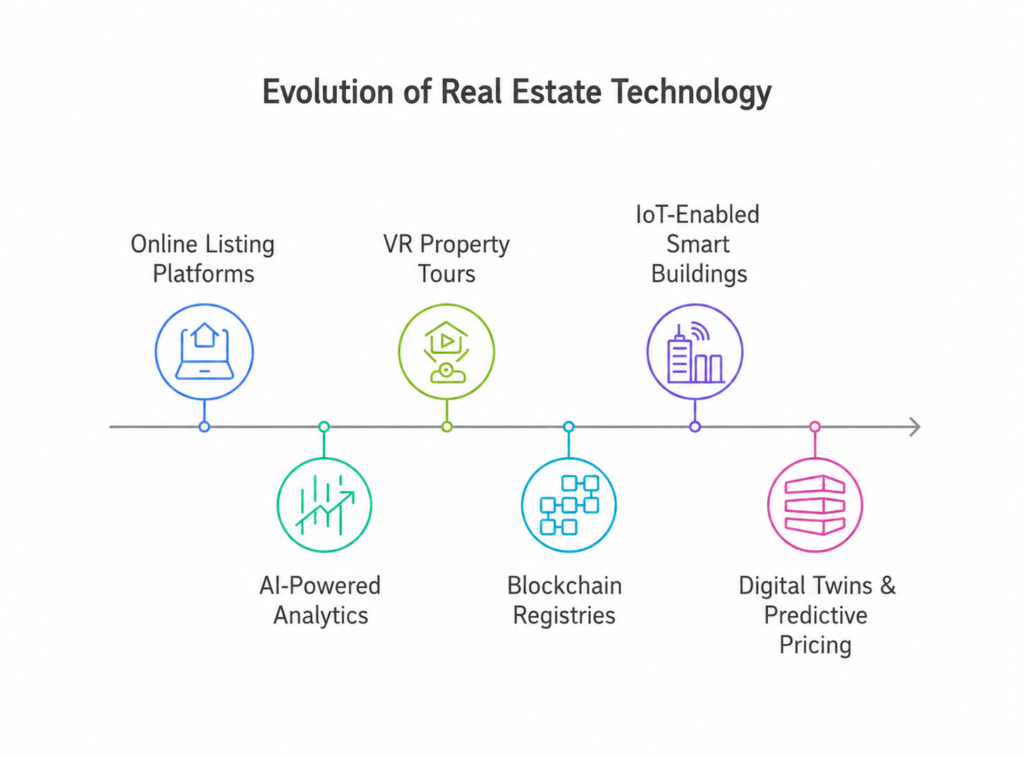
While the benefits of AI are undeniable, there are challenges to consider. TheNoah.ai (2026). Expert Strategies for AI Integration. Data privacy is paramount; real estate transactions involve sensitive financial information, and AI systems must be secure and compliant with regulations like GDPR or CCPA. Furthermore, there is the risk of “algorithmic bias”where an AI might unintentionally discriminate based on the data it was trained on.The most successful real estate professionals view AI as a “Co-Pilot,” not a replacement. The goal is to automate the processes so that humans can focus on the people. A machine can qualify a lead and price a home, but it cannot empathize with a family moving due to a job loss or celebrate with a first-time homebuyer. The future of real estate is a hybrid model: AI for efficiency, and humans for empathy and high-stakes negotiation.
Conclusion
As we have seen, AI agents are far more than just a passing trend; they are the new backbone of the real estate industry. By automating the tedious tasks of lead capture, qualification, and initial outreach, they allow real estate professionals to reclaim their time and focus on what they do best: closing deals and building lasting relationships. From the precision of semantic search to the round-the-clock availability of voice AI, these technologies are driving unprecedented efficiency and personalization in the sales workflow. However, the true power of AI lies in its ability to augment human expertise, not replace it. As we move forward, the most successful agents will be those who embrace these digital partners to provide a faster, smarter, and more responsive service to their clients. The age of the AI-powered realtor has arrived, and it is fundamentally changing the way we buy and sell property for the better. The journey has just begun, and the potential for innovation remains limitless.