

Introduction
Keywords are the heartbeat of the internet. They represent the bridge between what people are looking for and the content you provide to meet those needs. In the evolving landscape of 2026, where artificial intelligence (AI) and Generative Engine Optimization (GEO) are reshaping search, understanding the fundamental role of keywords is more critical than ever.
“Keywords are ideas and topics that define what your content is about. In terms of SEO, they are the words and phrases that searchers enter into search engines, also known as ‘search queries.'”
As a website owner, your primary goal is to ensure that the keywords on your pages align with the intent of your audience. This alignment increases your chances of appearing not just in traditional search results, but as a cited source in AI-generated answers.
Why Keywords Remain the Foundation of SEO
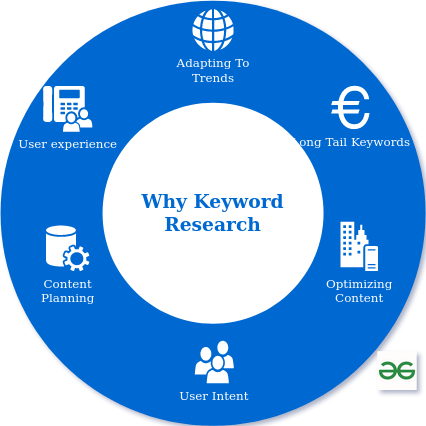
While search engines have become more sophisticated, keywords remain the primary signal used to understand content relevance. They provide direction for your content strategy and help you connect with your audience at the exact moment they are looking for information or ready to make a purchase.
1.Understanding Audience Intent: Keywords reveal what your customers care about. By analyzing search terms, you can uncover their pain points and provide targeted solutions.
2.Driving Organic Traffic: The right keywords determine how people find you. Targeting high-intent terms ensures that the traffic you attract is relevant and likely to convert.
3.Building Topical Authority: In 2026, SEO is less about individual rankings and more about becoming a leading source for an entire topic. This is achieved by clustering related keywords into comprehensive content hubs.
The Evolution: Keywords in the Era of AI Search
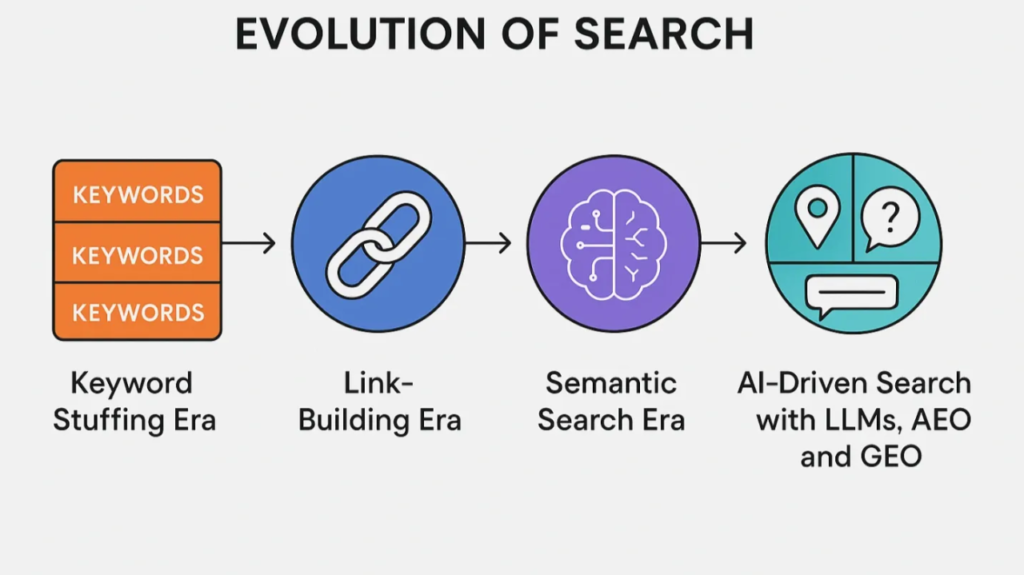
In 2026, we have moved beyond the “blue link” era. Search engines like Google now provide AI Overviews, and tools like ChatGPT and Perplexity synthesize answers directly for users. This shift has introduced Generative Engine Optimization (GEO).
For your content to be cited by AI, it must be:
•Extractable: Information should be presented in clear, modular “chunks” that AI can easily pull.
•Verifiable: Use credible sources and demonstrate E-E-A-T (Experience, Expertise, Authoritativeness, and Trustworthiness).
•Contextually Clear: Explicitly define terms and provide descriptive metadata.
Understanding Key Keyword Metrics
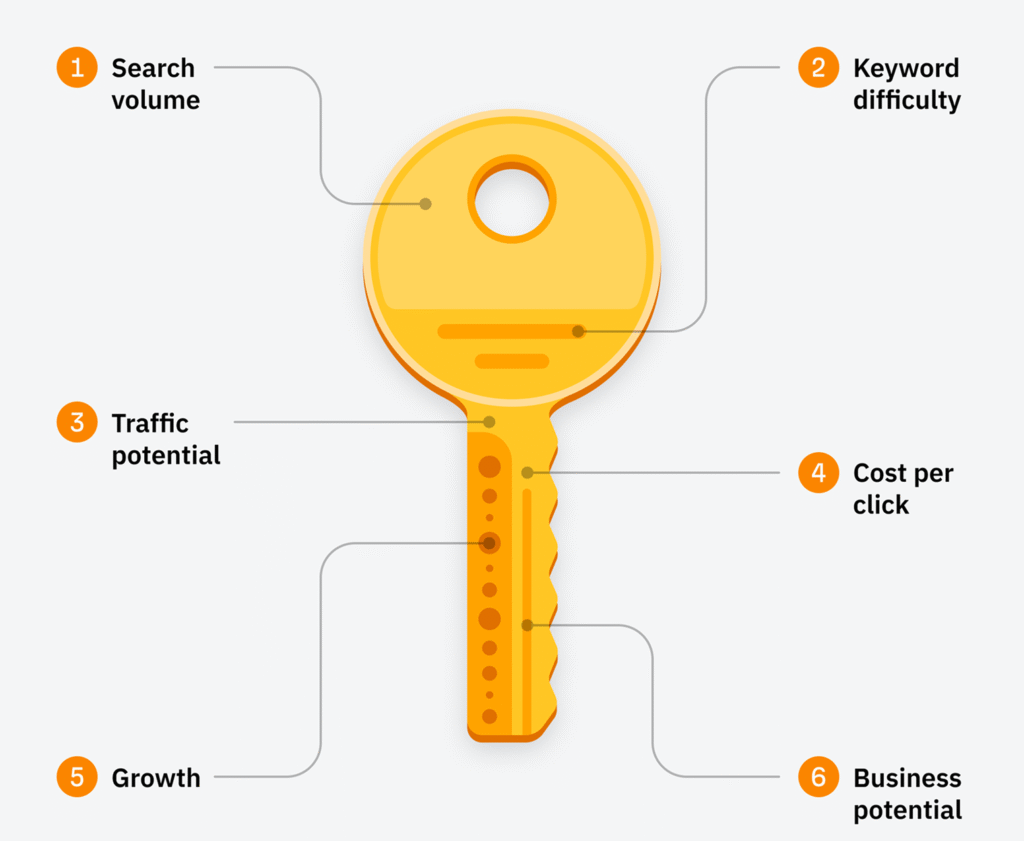
To make data-driven decisions, you must track specific metrics that indicate a keyword’s potential value:
| Metric | Description | Importance |
| Search Volume | The average number of monthly searches. | Indicates potential reach and visibility. |
| Keyword Difficulty | A score showing how hard it is to rank. | Helps prioritize keywords you can realistically target. |
| Search Intent | The “why” behind a search (Informational, Transactional, etc.). | Ensures content meets the user’s actual needs. |
| Citation Frequency | How often a keyword/brand is cited in AI answers. | A new, critical metric for 2026 visibility. |
How to Discover High-Value Keywords
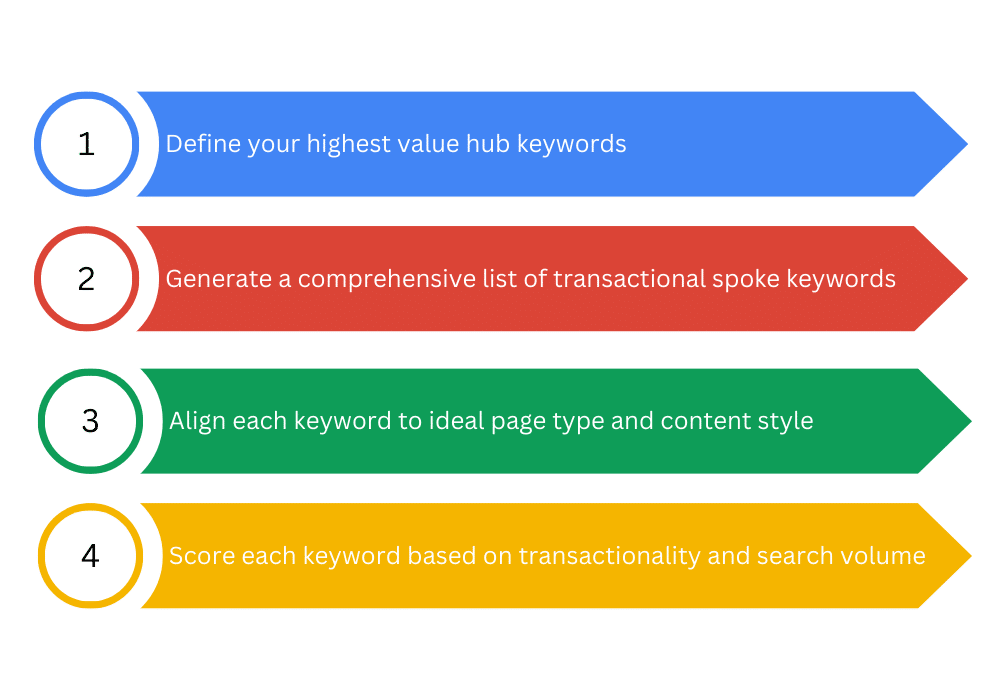
Finding the right keywords requires a mix of traditional research and modern social listening:
1. Leverage Community Insights
Platforms like Reddit and Quora are goldmines for understanding the natural language your audience uses. Look for recurring questions and pain points in relevant subreddits.
2. Analyze AI Search Features
Pay close attention to “People Also Ask” and “Related Searches” on Google. These features provide direct insight into the follow-up questions users have, which are perfect for long-tail keyword targeting.
3. Use Professional SEO Tools
Tools like Ahrefs, Semrush, and Moz remain essential for deep-diving into competitor strategies and identifying “zero-search volume” keywords that may actually hold high conversion potential.
Long-Tail Keywords: The Secret to Conversion

While broad “head” terms (like “shoes”) have high volume, they are extremely competitive and vague. Long-tail keywords (like “best running shoes for flat feet”) are more specific and often have lower competition.
“Tactically, long-tail SEO centers on competing for a large number of low-volume keywords instead of focusing on a small set of high-volume keywords.” Dr. Pete Meyers, Moz
Long-tail keywords are especially important for voice search and AI queries, which tend to be more conversational and detailed.
Strategic Keyword Placement
Once you’ve identified your target keywords, they must be placed strategically to signal relevance to both humans and AI bots:
•URL: Keep it simple and include your primary keyword (e.g., example.com/seo-keywords-guide).
•Title Tags & H1: These are the most important on-page signals. Make them compelling and keyword-rich.
•Subheadings (H2-H4): Use these to structure your content into extractable sections.
•Meta Description: While not a direct ranking factor, it influences click-through rates (CTR).
•Image Alt Text: Helps search engines understand visual content and improves accessibility.
Common Pitfalls to Avoid

•Keyword Stuffing: Never force keywords where they don’t fit. Write for humans first.
•Ignoring Intent: Ranking for a high-volume term is useless if the searcher’s intent doesn’t match your page’s purpose.
•Neglecting E-E-A-T: AI engines prioritize content that shows real-world experience and expertise.
Mapping Keywords to Your Content Strategy

Identifying keywords is only half the battle; the other half is organizing them into a coherent strategy. This is often done through a Content-to-Keyword Map.
By creating a spreadsheet that maps every page on your site to a unique primary keyword, you can:
•Identify Gaps: See which topics your audience is searching for that you haven’t covered yet.
•Avoid Cannibalization: Ensure that two pages aren’t competing for the same keyword, which can confuse search engines.
•Track Performance: Monitor how specific clusters of keywords contribute to your overall traffic and conversions.
Frequently Asked Questions
How many keywords should I target per page?
Ideally, each page should focus on one primary keyword (the main topic) and several related secondary keywords or synonyms that provide context.
Is keyword research a one-time task?
No. Search trends change, and new competitors emerge. You should perform keyword research regularly—at least once a quarter—to stay ahead of industry shifts and AI algorithm updates.
What is the difference between a keyword and a keyphrase?
In modern SEO, there is no functional difference. “Keyword” is a broad term that encompasses both single words and multi-word phrases (keyphrases).
Conclusion

Keywords are no longer just strings of text; they are representations of human curiosity and intent. By mastering keyword research and adapting to the new world of AI-driven search, you can ensure your brand remains visible, authoritative, and trusted in 2026 and beyond.
For more in-depth learning, explore Google’s Search Quality Rater Guidelines or check out HubSpot’s Guide to Content Marketing.