

Building a successful reputation brand management agency requires a structured approach, meticulous planning, and a deep understanding of both client needs and the digital landscape. This comprehensive guide outlines the essential steps to establish and grow an agency that excels in safeguarding and enhancing brand perceptions. By focusing on actionable strategies, you can create a robust foundation for long-term success in the dynamic field of brand reputation.
Step 1: Define Your Agency’s Mission and Brand Identity
The initial step in building your agency’s brand and reputation involves clearly articulating its mission and developing a distinct brand identity. Your mission statement should encapsulate your agency’s core purpose, values, and the unique value proposition you offer to clients. This foundational clarity guides all subsequent decisions, from service offerings to marketing efforts. Consider what sets your agency apart: perhaps a niche focus, a particular methodology, or an unparalleled commitment to client success. Defining your brand identity extends to visual elements like your logo, color palette, and typography, as well as your brand voice and messaging. These elements must resonate with your target audience and reflect the professionalism and expertise you aim to convey. A well-defined identity ensures consistency across all touchpoints, fostering recognition and trust.

Step 2: Identify Your Target Market and Ideal Clients
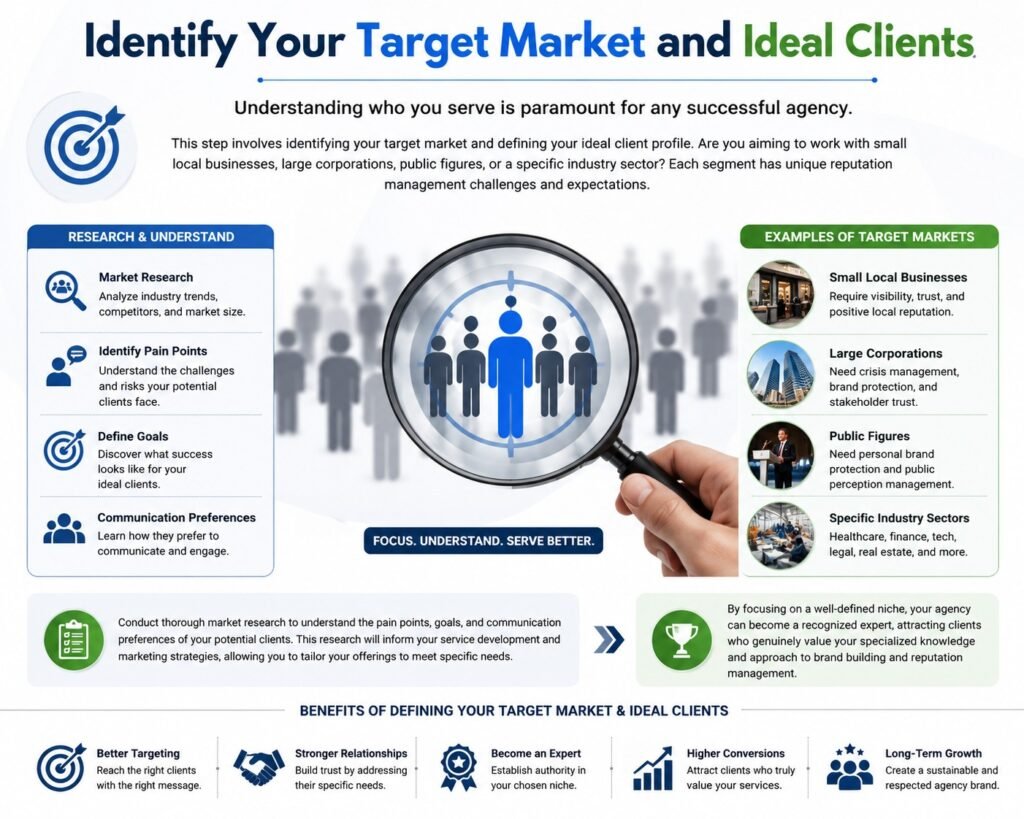
Understanding who you serve is paramount for any successful agency. This step involves identifying your target market and defining your ideal client profile. Are you aiming to work with small local businesses, large corporations, public figures, or a specific industry sector?Each segment has unique reputation management challenges and expectations. Conduct thorough market research to understand the pain points, goals, and communication preferences of your potential clients.This research will inform your service development and marketing strategies, allowing you to tailor your offerings to meet specific needs. By focusing on a well-defined niche, your agency can become a recognized expert, attracting clients who genuinely value your specialized knowledge and approach to brand building and reputation management.
Step 3: Develop Your Core Reputation Management Services
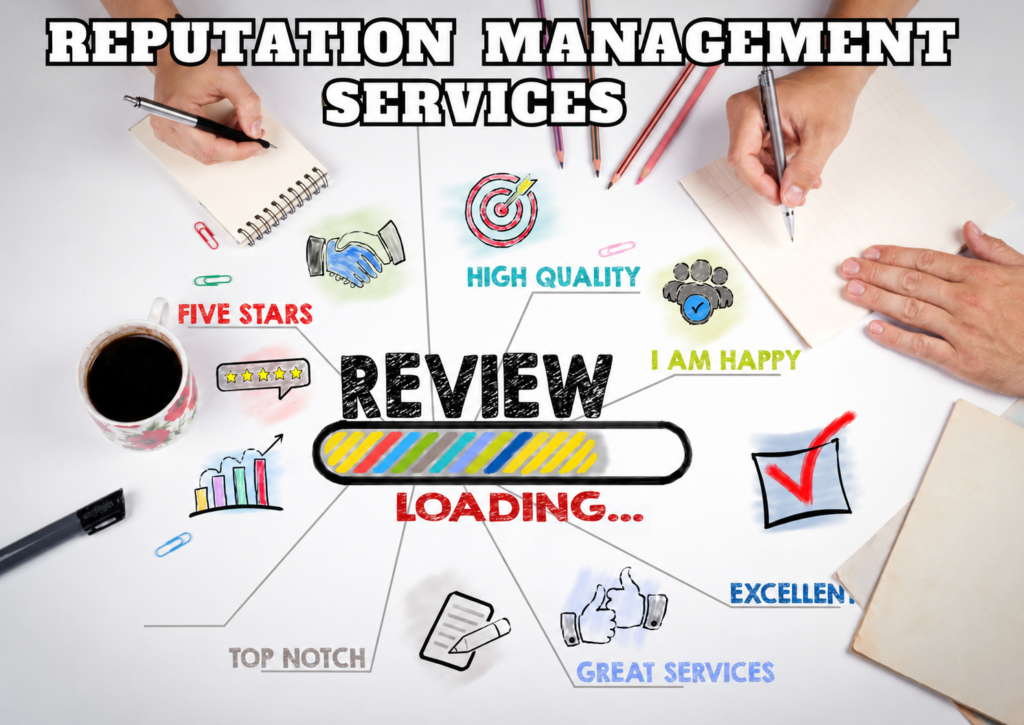
With your mission and target market established, the next crucial step is to develop a comprehensive suite of core reputation management services. These services should directly address the needs of your ideal clients and align with your agency’s expertise. Typical offerings include online reputation monitoring, crisis management, proactive content creation, search engine reputation management (SERM), social media reputation management, and review management. For each service, outline the specific processes, deliverables, and expected outcomes. Ensure that your services are scalable and adaptable, allowing you to cater to diverse client requirements. Clearly defining your service offerings helps potential clients understand how you can solve their problems and contributes to a strong perception of your agency’s capabilities in brand reputation management strategies.
Step 4: Build a Strong Online Presence for Your Agency
In the realm of reputation management, your agency’s own online presence is its most powerful testament. This step focuses on establishing a robust digital footprint that showcases your expertise and credibility. Start with a professional, user-friendly website that clearly communicates your services, values, and client success stories. Optimize your website for search engines to ensure potential clients can easily find you. Beyond your website, cultivate an active and engaging presence on relevant social media platforms. Share insightful content, participate in industry discussions, and demonstrate your thought leadership. A strong online presence not only attracts new clients but also reinforces your authority in building brand and reputation within the industry. Remember, your agency’s digital reputation is a direct reflection of the quality of service you provide.

Step 5: Create a Proven Brand Reputation Management Strategy
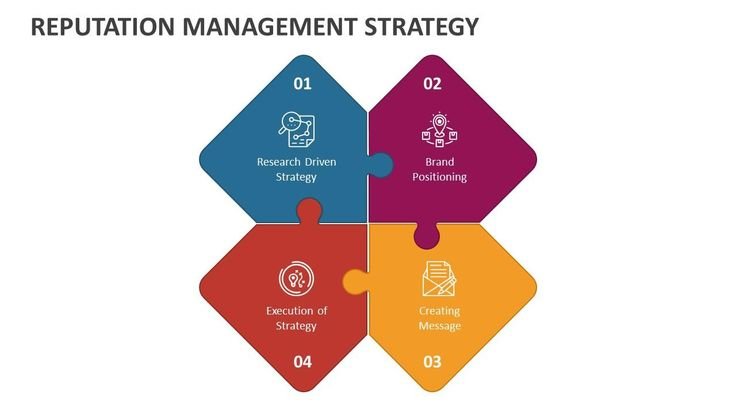
Developing a standardized, yet adaptable, brand reputation management strategy is essential for delivering consistent and effective results for your clients. This involves outlining the methodologies and frameworks your agency will use to assess, protect, and enhance client reputations.Your strategy should include phases such as initial reputation audits, goal setting, strategic planning, implementation, monitoring, and reporting. Detail the tools and techniques you will employ for each phase, ensuring a data-driven approach.A proven strategy not only streamlines your internal operations but also instills confidence in clients, demonstrating your systematic approach to their reputation challenges. This strategic framework is a cornerstone for steps to building a reputation brand management agency that stands out.
Step 6: Establish Authority with High-Quality Content
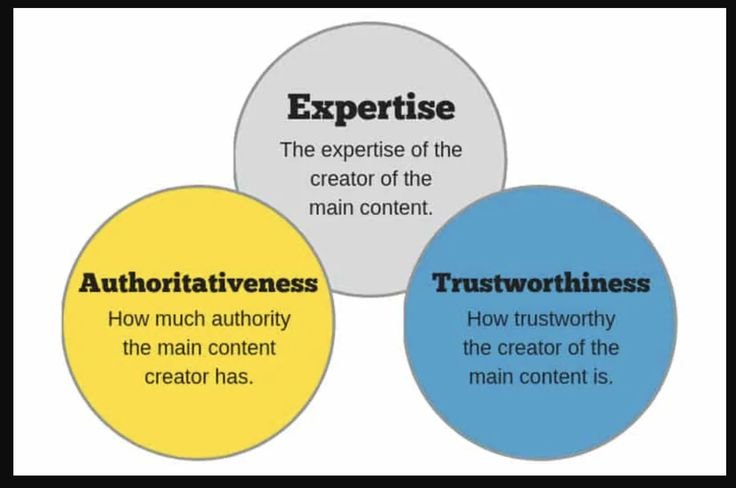
Content is king, especially when establishing authority in a specialized field like reputation management. This step involves consistently creating and distributing high-quality, insightful content that positions your agency as a thought leader. This can include blog posts, whitepapers, case studies, webinars, and industry reports. Focus on topics that address common client concerns, offer practical solutions, and demonstrate your deep understanding of brand building and reputation management. Distribute this content across your website, social media channels, and industry publications to reach a wider audience. EEAT Content not only attracts organic traffic but also builds trust and credibility, showcasing your agency’s expertise before clients even engage your services.
Step 7: Build Trust Through Client Reviews and Testimonials
In the service industry, social proof is invaluable. Actively solicit and showcase client reviews and testimonials to build trust and validate your agency’s effectiveness. Encourage satisfied clients to provide feedback on platforms like Google My Business, Clutch, or industry-specific review sites. Feature compelling testimonials and case studies prominently on your website and marketing materials. These authentic endorsements serve as powerful evidence of your agency’s ability to deliver tangible results in brand reputation management strategies. Positive reviews not only attract new clients but also reinforce the value you provide, strengthening your agency’s own reputation.

Step 8: Develop a Consistent Client Communication Process
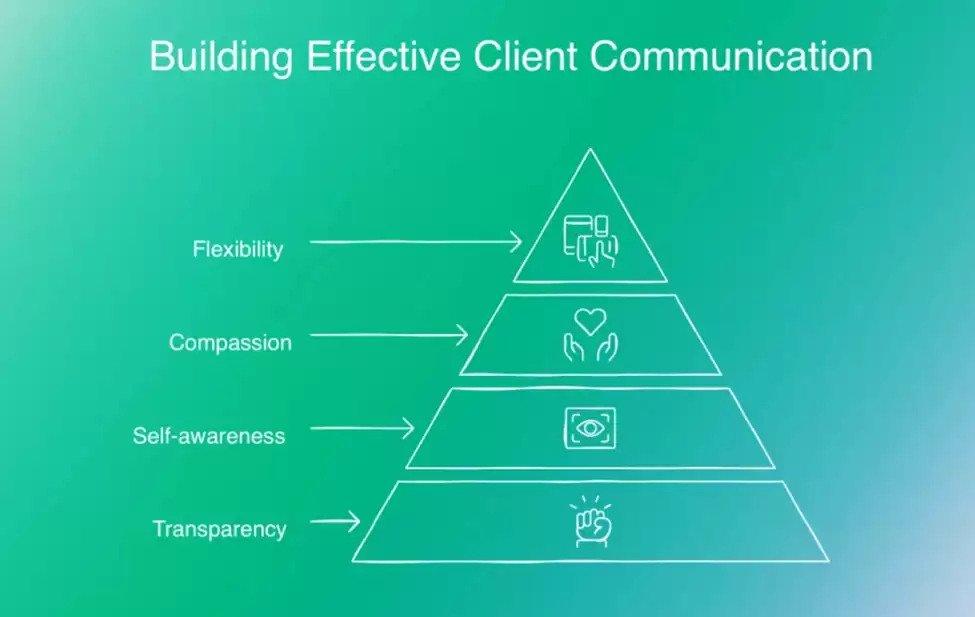
Effective communication is the bedrock of strong client relationships. This step focuses on developing a consistent and transparent client communication process.Establish clear channels for regular updates, progress reports, and strategic discussions. Define response times for inquiries and outline how your agency will handle urgent situations, such as reputation crises.Proactive communication, setting realistic expectations, and providing clear explanations of your strategies and results are crucial. A well-structured communication plan ensures clients feel informed, valued, and confident in your agency’s ability to manage their building brand and reputation effectively. This fosters long-term partnerships and client loyalty.
Step 9: Monitor, Measure, and Improve Client Reputation
Reputation management is an ongoing process that requires continuous monitoring, measurement, and refinement. This step involves implementing robust systems to track client reputation metrics and demonstrate the impact of your efforts.Utilize advanced monitoring tools to track mentions, sentiment, and trends across various online platforms. Regularly analyze data to identify areas for improvement and adjust strategies as needed.Provide clients with comprehensive reports that clearly illustrate progress, key achievements, and future recommendations. This data-driven approach not only proves your agency’s value but also allows for continuous optimization of brand building and reputation management strategies, ensuring sustained positive outcomes for your clients.
Step 10: Scale Your Reputation Brand Management Agency
Once your agency has established a solid foundation and a proven track record, the final step involves strategic scaling to expand your reach and impact. This could include diversifying your service offerings, entering new markets, or expanding your team.Develop a clear growth strategy that outlines your scaling objectives, resource requirements, and potential challenges. Invest in training and development to ensure your team can effectively handle increased client demand while maintaining service quality.Explore partnerships or collaborations that can enhance your capabilities and extend your network. Strategic scaling allows your agency to capitalize on its success and solidify its position as a leader in steps to building a reputation brand management agency.

Conclusion
Successfully establishing and growing a reputation brand management agency is a multifaceted endeavor that demands a strategic, step-by-step approach. By meticulously defining your mission, understanding your target market, developing robust services, and building a strong online presence, you lay the groundwork for success.Implementing proven brand reputation management strategies, establishing authority through high-quality content, and fostering trust through client testimonials are critical for sustained growth. Furthermore, consistent client communication and a commitment to continuous monitoring and improvement ensure lasting client satisfaction.
By diligently following these steps to building a reputation brand management agency, you can cultivate a thriving business that excels in building brand and reputation for clients in an increasingly digital world. Embark on this journey with a clear vision and a commitment to excellence, and watch your agency flourish.