

Introduction
In today’s rapidly evolving global economy, the ability to gain Real-Time Supply Chain Insights is no longer a luxury but a necessity.
Businesses are constantly seeking innovative solutions to navigate complexities, mitigate risks, and optimize operations.
Enter Agentic Search for Supply Chain – a revolutionary approach leveraging advanced Artificial Intelligence (AI) to transform how organizations perceive, analyze, and react to supply chain dynamics.
This article delves into the profound impact of Agentic AI in Supply Chain, exploring seven distinct ways it empowers businesses with unparalleled visibility and actionable intelligence.
From AI-Powered Supply Chain Analytics to Intelligent Supply Chain Search, we will uncover how this cutting-edge technology is reshaping the future of logistics and operational efficiency.
The Dawn of Agentic AI in Supply Chain Management
The traditional supply chain, often characterized by siloed data and reactive decision-making, is undergoing a profound transformation. The advent of Artificial Intelligence and Machine Learning has paved the way for more proactive and predictive models. However, Agentic AI takes this a step further.
Unlike conventional AI systems that primarily analyze data, agentic systems are designed to act autonomously, learn from interactions, and make informed decisions in dynamic environments.
This capability is particularly potent in the context of Supply Chain Management, where real-time adaptability can mean the difference between disruption and seamless operation.
Agentic AI in Supply Chain refers to intelligent software agents that can perceive their environment, process information, reason about their goals, and execute actions to achieve those goals. These agents can operate independently or collaboratively, continuously learning and adapting.
This paradigm shift goes beyond mere data analysis, enabling systems to actively search for, interpret, and deliver insights previously unattainable. The result is a more resilient, responsive, and ultimately, more profitable supply chain.
In the following sections, we will explore the seven key mechanisms through which Agentic Search is revolutionizing Supply Chain Visibility and providing the critical Real-Time Supply Chain Insights necessary for modern enterprises.
1. Real-Time Data Aggregation and Synthesis for Comprehensive Visibility
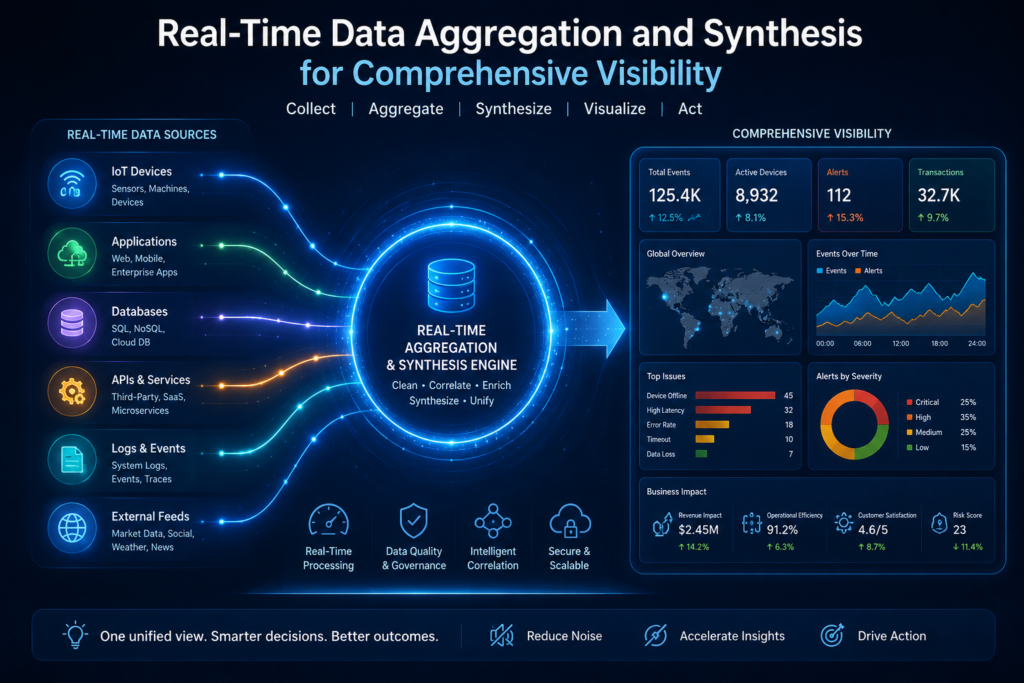
One of the most significant contributions of Agentic Search to modern supply chains is its unparalleled ability to aggregate and synthesize vast amounts of data in real-time.
Traditional systems often struggle with data silos, where information resides in disparate systems like Enterprise Resource Planning (ERP), Warehouse Management Systems (WMS), Transportation Management Systems (TMS), and even external market data feeds. This fragmentation makes it challenging to achieve true End-to-End Supply Chain Visibility.
Agentic AI agents are designed to autonomously connect to these diverse data sources, extract relevant information, and synthesize it into a unified, coherent view.
This includes everything from inventory levels, order statuses, and shipment locations to weather patterns, geopolitical events, and supplier performance metrics.
By continuously monitoring and processing this influx of information, these intelligent agents provide a dynamic, up-to-the-minute picture of the entire supply chain.
This capability is crucial for Supply Chain Data Analysis, allowing businesses to move beyond retrospective reporting to proactive monitoring and rapid response.
The result is a comprehensive understanding of operations, enabling better Supply Chain Decision Making based on the most current information available.
2. Predictive Analytics for Proactive Risk Management
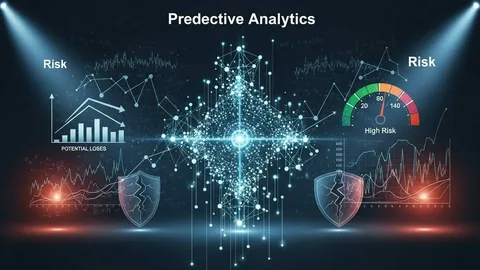
Beyond merely presenting current data, Agentic Search excels in leveraging Predictive Supply Chain Analytics to anticipate potential disruptions and risks before they materialize. In a world prone to unforeseen events – from natural disasters to geopolitical shifts – a resilient supply chain is paramount.
Agentic AI systems continuously analyze historical data, real-time feeds, and external indicators to identify patterns and forecast future scenarios.
These intelligent agents can predict demand fluctuations, potential supplier failures, transportation delays, and even quality control issues.
For instance, by analyzing weather forecasts and historical data, an agentic system can predict the likelihood of port closures or road blockages, allowing logistics managers to reroute shipments proactively.
This proactive approach to risk management, powered by AI-Powered Supply Chain Analytics, significantly reduces the impact of disruptions, ensuring greater Supply Chain Resilience.
It transforms the supply chain from a reactive entity into a foresightful one, capable of adapting to challenges with minimal impact on operations and customer satisfaction.
This directly contributes to AI Supply Chain Optimization by minimizing costly delays and ensuring continuity.
3. Automated Anomaly Detection and Alerting
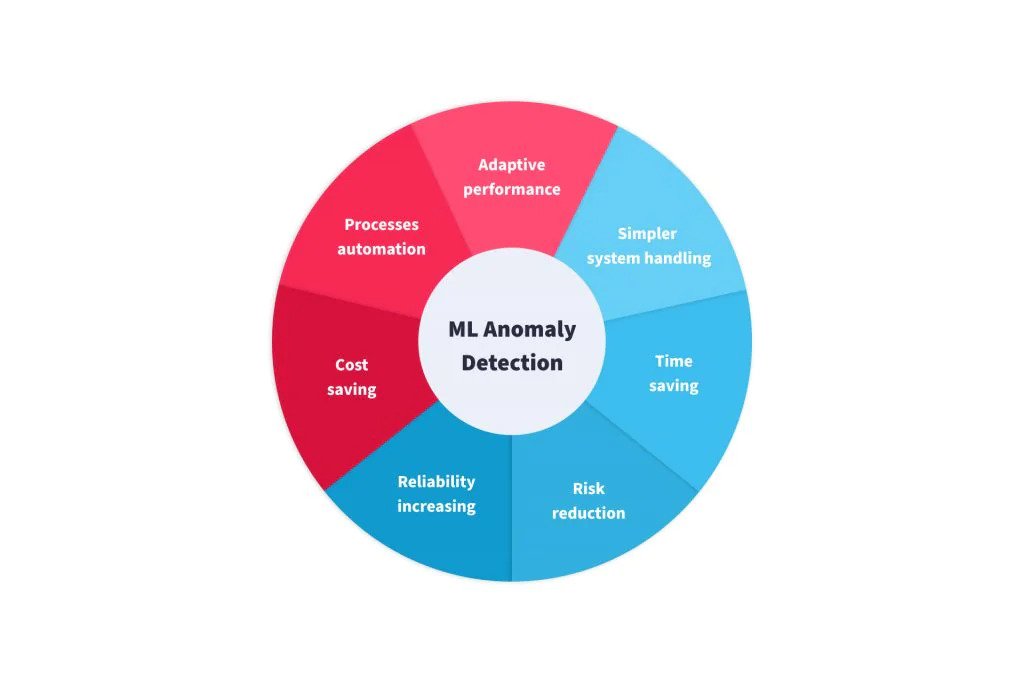
One of the most time-consuming aspects of Supply Chain Monitoring Tools is sifting through vast datasets to identify unusual patterns or deviations. Agentic Search automates this critical function through sophisticated anomaly detection algorithms.
These Intelligent Supply Chain Search agents are constantly learning the ‘normal’ behavior of the supply chain across various parameters, such as inventory levels, delivery times, and production outputs.
When a significant deviation occurs – whether it’s an unexpected spike in demand, a sudden drop in a supplier’s output, or an unusual delay in transit – the agentic system immediately flags it as an anomaly.
More importantly, it doesn’t just flag it; it can also initiate an alert to relevant stakeholders, providing context and even suggesting potential causes or mitigation strategies.
This capability ensures that critical issues are identified and addressed swiftly, preventing minor problems from escalating into major disruptions.
This proactive alerting mechanism is a cornerstone of Real-Time Inventory Tracking and overall operational efficiency, enabling rapid intervention and minimizing potential losses.
4. Dynamic Optimization and Intelligent Decision-Making

Agentic AI moves beyond static optimization models by enabling dynamic, real-time adjustments to supply chain operations.
Traditional optimization often relies on historical data and predefined rules, which can quickly become outdated in volatile market conditions.
Intelligent Supply Chain Search agents, however, continuously monitor changing variables and adapt optimization strategies on the fly.
For example, in AI for Logistics Management, agentic systems can dynamically re-route shipments based on real-time traffic conditions, weather changes, or sudden capacity constraints.
They can also optimize warehouse operations by adjusting picking routes or allocating resources based on incoming order volumes and available staff. This constant recalibration ensures that the supply chain operates at peak efficiency, even in the face of unexpected challenges.
The ability of these agents to learn and make autonomous decisions contributes significantly to Supply Chain Optimization using Agentic AI, leading to reduced costs, improved service levels, and enhanced overall operational efficiency.
This proactive approach to Supply Chain Decision Making is a game-changer for businesses aiming for agility and responsiveness.
5. Enhanced Collaboration and Communication Across the Ecosystem

Effective supply chain management is inherently collaborative, involving a complex network of suppliers, manufacturers, distributors, and retailers.
Historically, communication breakdowns and information asymmetry have been major impediments to achieving seamless operations. Agentic Search addresses this by facilitating enhanced collaboration and communication across the entire supply chain ecosystem.
Agentic AI agents can act as intelligent intermediaries, sharing relevant information with appropriate stakeholders in real-time.
For instance, if a production delay is detected, an agent can automatically notify downstream partners, allowing them to adjust their plans accordingly.
Similarly, agents can monitor supplier performance, communicate order changes, and even automate routine inquiries, freeing up human resources for more strategic tasks.
This seamless flow of information, driven by Autonomous AI Search, fosters greater transparency and trust among partners.
It ensures that everyone involved in the supply chain has access to the most current and accurate information, leading to more coordinated efforts and improved overall responsiveness.
This is vital for achieving End-to-End Supply Chain Visibility and streamlining Logistics Analytics.
6. Personalized and Contextualized Insights
One of the challenges in managing complex supply chains is the sheer volume of data and the difficulty in extracting insights relevant to specific roles or departments.
Agentic Search overcomes this by providing personalized and contextualized insights. Instead of a one-size-fits-all dashboard, Agentic AI agents can tailor information delivery based on the user’s role, responsibilities, and current objectives.
For a procurement manager, the agent might highlight potential supplier risks and alternative sourcing options. For a logistics coordinator, it could emphasize real-time traffic updates and optimal routing suggestions.
This intelligent filtering and presentation of information ensures that decision-makers receive precisely what they need, when they need it, without being overwhelmed by irrelevant data.
This capability significantly enhances Supply Chain Intelligence Platform functionality, making information more actionable and directly supporting Data-Driven Decision Making. By focusing on what truly matters to each individual, agentic systems empower faster and more effective responses across the organization, driving Operational Efficiency.
7. Continuous Learning and Adaptation

Perhaps the most powerful aspect of Agentic Search is its inherent ability to continuously learn and adapt.
Unlike traditional software, which operates based on predefined rules, Agentic AI systems are designed to evolve.
They learn from every interaction, every decision made, and every outcome observed, constantly refining their models and improving their performance.
This continuous learning loop means that the AI-Driven Supply Chain Solutions become smarter and more effective over time.
As new data streams emerge, market conditions shift, or operational processes change, the agentic system adapts its search strategies, analytical models, and decision-making frameworks.
This dynamic adaptability is crucial for maintaining a competitive edge in a constantly changing global landscape.
It ensures that the supply chain remains optimized, resilient, and responsive, even in the face of unprecedented challenges.
This ongoing evolution is the hallmark of Smart Supply Chain Technology, promising a future where supply chains are not just managed, but truly self-optimizing and autonomous.
The Future of AI in Supply Chain Management: Beyond Automation
The integration of Agentic AI marks a pivotal moment in the evolution of Supply Chain Management. While automation has long been a goal, agentic systems usher in an era of true autonomy and intelligence.
The Future of AI in Supply Chain Management is not just about automating repetitive
tasks; it’s about creating self-governing, self-optimizing supply networks that can anticipate, adapt, and even innovate.
Consider the implications for Real-Time Logistics Insights. With agentic systems, logistics operations can become truly predictive, not just reactive.
Routes can be optimized dynamically, not just based on historical data but on live conditions, driver availability, and even predictive maintenance needs for vehicles.
This level of AI for Logistics Management transcends traditional planning, offering unprecedented levels of efficiency and responsiveness.
Furthermore, Agentic Search Use Cases in Logistics are expanding rapidly. From optimizing last-mile delivery to managing complex international freight, agentic systems are proving invaluable.
They can negotiate with carriers, manage customs documentation, and even identify optimal warehousing locations based on shifting demand patterns.
This holistic approach to Supply Chain Automation is transforming every facet of the logistics landscape.
The ultimate vision is an Enterprise Supply Chain AI platform where intelligent agents collaborate seamlessly across all functions – from Demand Forecasting and Inventory Optimization to Warehouse Management and Procurement Analytics.
This integrated intelligence will drive unparalleled Operational Efficiency and foster a new era of Data-Driven Decision Making, making the supply chain a strategic asset rather than a cost center. The benefits of Agentic Search in Supply Chain Management are only just beginning to be realized, promising a future of unprecedented resilience and agility.
Conclusion
The journey towards a truly intelligent and resilient supply chain is being profoundly shaped by the emergence of Agentic Search. As we have explored, these sophisticated AI systems are not merely tools for data analysis; they are autonomous entities capable of real-time aggregation, predictive forecasting, anomaly detection, dynamic optimization, enhanced collaboration, personalized insights, and continuous learning.
From improving Supply Chain Visibility and Real-Time Inventory Tracking to driving AI Supply Chain Optimization and Supply Chain Decision Making, Agentic AI in Supply Chain is proving to be a transformative force. It enables organizations to move beyond reactive problem-solving to proactive risk management and strategic advantage.
For businesses looking to thrive in an increasingly interconnected and unpredictable world, embracing Smart Supply Chain Technology powered by agentic principles is no longer an option but a strategic imperative. The future of supply chain management is intelligent, autonomous, and deeply insightful, and Agentic Search is at the forefront of this revolution.