
Introduction
Ever feel like your plumbing website is a hidden gem, full of valuable information but just not getting the attention it deserves? You’re not alone. Many businesses pour their heart into creating great content, only to see minimal traffic.
The secret weapon you might be overlooking?
Internal linking. It’s not just about getting other sites to link to you; it’s about building a strong, interconnected web right within your own domain.
Think of it this way: a well-structured internal linking strategy acts like a friendly guide for both your potential customers and search engines. It helps people easily find what they’re looking for on your site, keeping them engaged longer.
At the same time, it signals to Google and other search engines that your site is a treasure trove of relevant, authoritative information, ultimately boosting your rankings and bringing more clients your way.
Let’s dive into how you can transform your plumbing website’s traffic with a smart internal linking approach.
❓ What Exactly Is Internal Linking for a Plumbing Website?
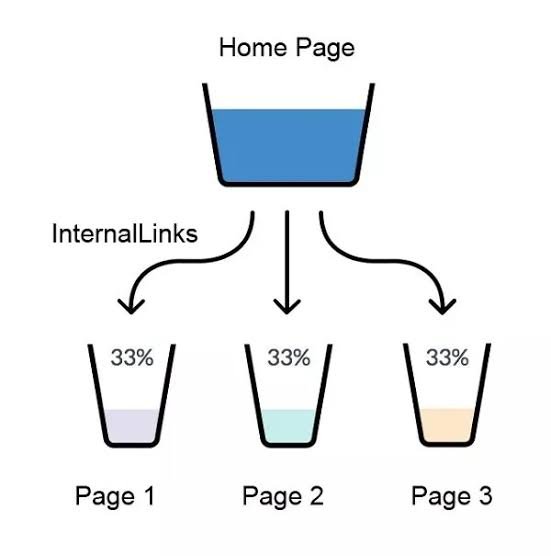
Simply put, internal linking is when you create hyperlinks from one page on your website to another page on the same website. For a plumbing business, this means connecting your insightful blog posts, detailed service pages, and helpful informational articles. Imagine you’ve written a fantastic blog post about “common water heater problems.” You could then link directly from that post to your “water heater repair services” page. Or, if you have an article on “preventing clogged drains,” it’s a perfect opportunity to link to your “drain cleaning services” page.
These seemingly small connections are incredibly powerful because they:
- Help search engines explore and understand your content: Internal links are like breadcrumbs for search engine crawlers. They show Google how your content is related and which pages are most important, ensuring everything gets discovered and indexed properly, as highlighted by Moz’s SEO best practices.
- Spread authority (or ‘link equity’) around your site: When a page that already has a lot of authority (maybe it gets tons of external links) links to another page on your site, it shares some of that authority. This can significantly help the linked page climb higher in search results, a concept further explained by Mailchimp’s guide to internal linking.
- Make your website a joy to navigate: Good internal links mean visitors can easily jump from one relevant piece of information to another. This keeps them on your site longer, reduces frustration, and makes their experience much more valuable.
🔗 The Unsung Hero: Internal Links and Their Role in Plumbing SEO
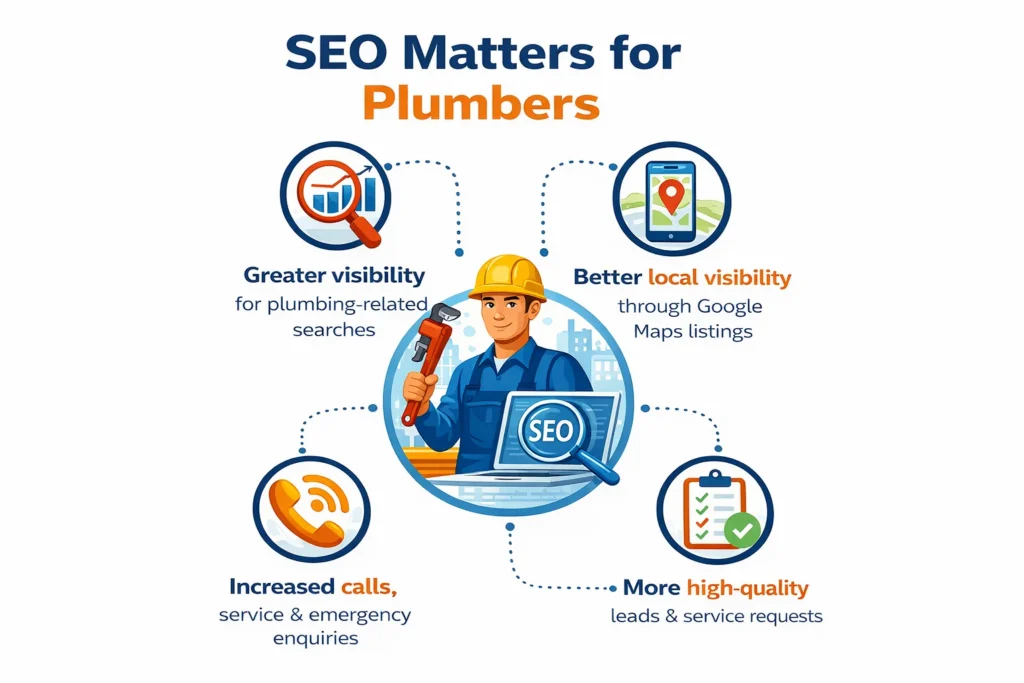
Internal links are absolutely foundational to your plumbing website’s SEO success. They’re not just technical jargon; they’re a practical tool that guides both your human visitors and search engine robots. When you use them wisely, they dramatically improve your site’s visibility and establish your authority in the plumbing niche.
Consider this scenario: you have a highly popular blog post titled “Emergency Plumbing Tips Every Homeowner Should Know.” By strategically linking from this post to your “24/7 Emergency Services” page, you’re doing two crucial things. First, you’re directly guiding a user who is likely in distress to the solution they need. Second, you’re sending a clear signal to search engines about the importance and relevance of that emergency service page. This connection tells Google, “Hey, this business is serious about helping people with urgent plumbing needs!”
These internal connections build out your site’s overall link profile, reassuring search engines that your business offers comprehensive solutions and that related content is always within reach. This strategy is particularly effective when you link from informative articles about plumbing maintenance to specific service pages. For example, an article detailing “How to Prepare Your Pipes for Winter” could seamlessly link to your “Pipe Winterization and Repair Services.” Encouraging your content creators to weave in these relevant internal links as they develop new material further solidifies your search ranking. A thoughtfully structured internal linking strategy isn’t just about SEO; it’s about creating a user-friendly experience that attracts targeted traffic and converts casual visitors into loyal customers.
❗️ Why Ignoring Internal Links is a Plumbing Website’s Biggest Mistake
Internal links are the silent workhorses that help search engines truly grasp the structure and hierarchy of your website. They’re how Google understands that you’re not just a collection of random pages, but a cohesive, reliable, and comprehensive resource for all things plumbing. If your expert article on “Choosing the Right Water Heater for Your Home” links directly to your “Water Heater Installation Services” page, you’re shouting to search engines (and potential customers!) that you’re both knowledgeable and ready to provide solutions. This dramatically improves your chances of showing up when someone types in a search query related to water heater services.
Think about a local home repair blog you might host on your site, perhaps one discussing “DIY Faucet Repair.” If this article then links to your “Professional Faucet Repair and Replacement Services” page, you’re not just offering a helpful tip; you’re also capturing highly targeted traffic. These are people actively looking for solutions to plumbing issues, and you’re guiding them directly to your professional help. These links are incredibly valuable for connecting users with the expertise they genuinely need, right when they need it.
Neglecting your internal linking strategy is akin to having a fantastic showroom but no clear signs directing customers to your best products. Competitors with well-structured websites will inevitably outrank you, leaving your valuable content undiscovered. Search engines favor websites that demonstrate clear organization and interconnectedness, viewing them as more relevant and authoritative. Without an active internal linking strategy, your rankings will likely suffer, and those potential customers might never even realize your business exists.
“Internal links are the backbone of a well-optimized website. They don’t just help users navigate; they tell search engines which pages are most important and how they relate to each other. A strong internal linking structure is non-negotiable for any plumbing business aiming for top rankings.”
Sarah Chen, SEO Strategist at AquaRank Digital
10 Game-Changing Internal Linking Strategies for Plumbers
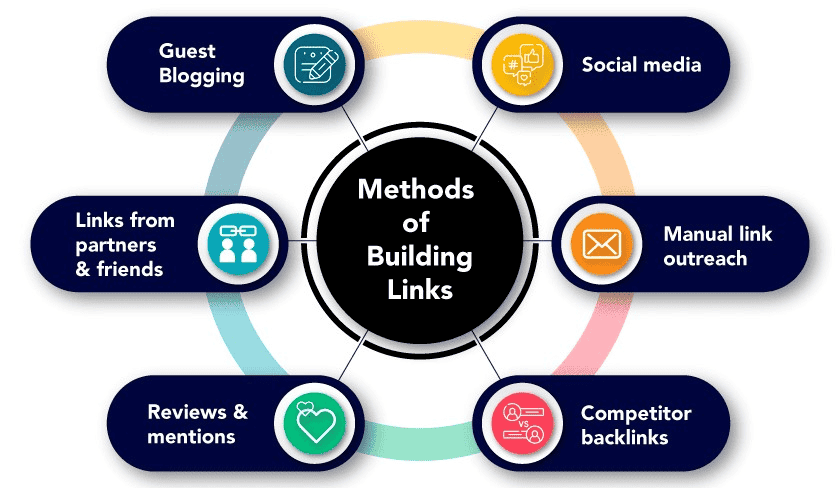
Building an effective internal linking strategy for your plumbing business isn’t rocket science, but it does require a thoughtful approach that benefits both your visitors and search engines. Here are ten practical strategies to optimize your internal link structure and get your website noticed:
Build Content Hubs and Pillar Pages
Imagine your website as a library. A pillar page is like a main section (e.g., “The Ultimate Guide to Home Plumbing Maintenance”), which then points to more specific books or articles (e.g., “How to Fix a Leaky Faucet,” “Understanding Water Pressure Issues”). These smaller articles, in turn, link back to the main pillar page. This creates a clear, organized structure that tells search engines you’re an expert on that broad topic, as detailed in Yoast’s guide to internal linking.
Weave In Contextual Internal Links Naturally
Don’t just drop links randomly. Integrate them smoothly within the body text of your articles and pages. When you naturally mention a service or a common plumbing problem that has its own dedicated page, link to it. For example, in a blog post about “winterizing your home,” it makes perfect sense to link contextually to your “pipe winterization services” page. These links feel natural and are genuinely helpful to the reader.
Master the Art of Anchor Text
Anchor text is the clickable text of your hyperlink. Make it descriptive and varied, accurately reflecting what the linked page is about. Avoid vague phrases like “click here” or “read more.” Instead, use keywords that are highly relevant to the destination. For instance, if you’re linking to your “drain cleaning services” page, use anchor text like “professional drain cleaning” or “solutions for clogged drains.”
Leverage Your High-Authority Pages
Some pages on your website naturally attract more attention, perhaps due to external backlinks or high organic traffic. Identify these powerhouses and strategically link from them to other important, but perhaps lower-ranking, pages you want to boost. This process, known as passing “link equity,” can significantly improve the search visibility of those target pages, as explained by Mailchimp.
Optimize Your Website’s Navigation
Your website’s main navigation menu, footer, and sidebar aren’t just for show. Ensure they are well-organized and include clear links to your most crucial service pages and content categories. This provides a consistent and easily accessible pathway for both users and search engines to find the key areas of your site.
Hunt Down and Fix Broken Internal Links
Nothing frustrates a user (or a search engine crawler) more than a broken link. Regularly audit your website for these digital dead ends. Tools like Google Search Console or various SEO auditing software can quickly help you pinpoint and fix these issues, ensuring a smooth experience for everyone.
Eliminate Orphan Pages
An “orphan page” is a page on your website that has no internal links pointing to it. These pages are essentially invisible to search engines and hard for users to find. Make it a priority to ensure every important page on your site is linked to from at least one other page, integrating all your valuable content into your site’s overall link structure.
Encourage Further Exploration with Related Content
At the end of your blog posts or service descriptions, always include a “Related Articles” or “You Might Also Like” section. This simple addition encourages users to delve deeper into your content, increasing their time on your site and creating more valuable internal linking opportunities.
Don’t Forget Image Links (with Alt Text!)
If you use images as clickable links, make sure they have descriptive alt text. Search engines can’t “see” images, but they can read alt text. This helps them understand the context of the image and the page it links to. It’s especially useful for linking to service pages from visually rich content.
Make Internal Linking a Habit, Not an Afterthought
Integrate internal linking into your content creation and website development workflow from day one. Don’t wait until after a page is published to think about how it connects to the rest of your site. Plan your internal link structure as you develop new content, ensuring every new page contributes to a cohesive and interconnected website.
Common Internal Linking Blunders to Sidestep in Plumbing SEO
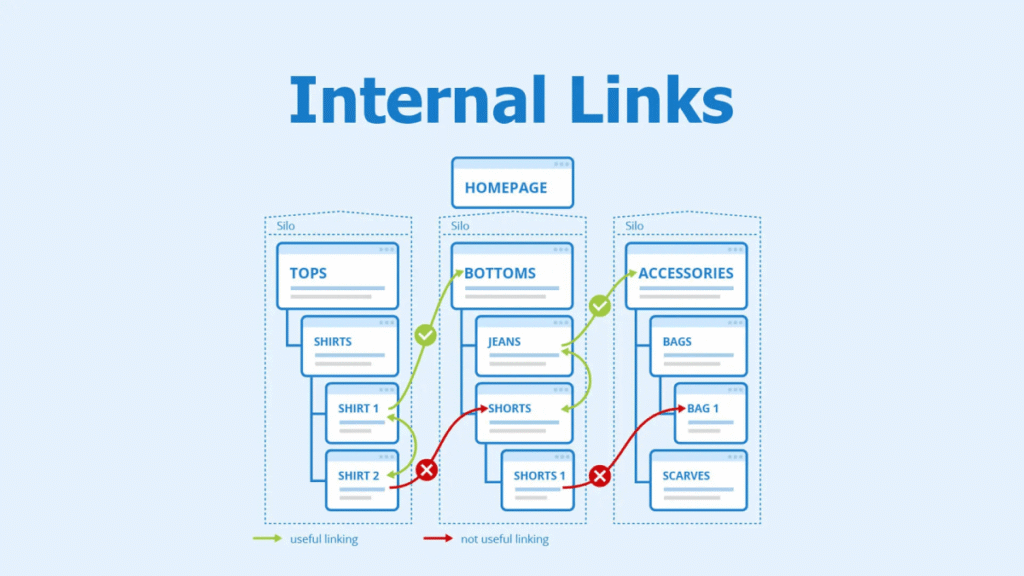
Avoiding these common internal linking mistakes is just as important as implementing the good strategies. They can seriously hurt your website’s credibility and search engine rankings.
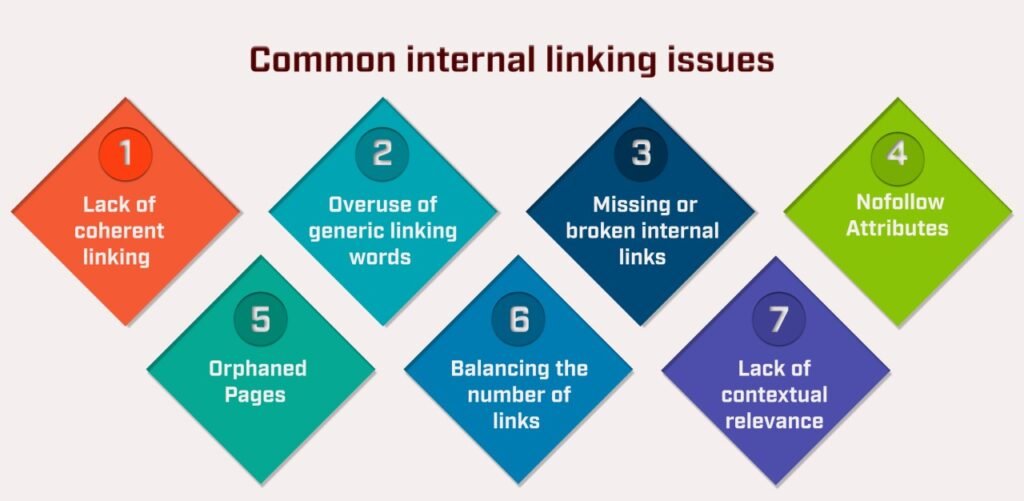
One frequent error is over-optimizing anchor text. While using keywords in your anchor text is good, repeatedly using the exact same keyword phrase (e.g., “emergency plumber in [City]”) for every internal link pointing to a specific page can actually trigger penalties for unnatural linking patterns from search engines, as warned by Shopify’s SEO best practices. The key is diversity and natural language.
Another major blunder is creating irrelevant internal links. Linking pages that have no logical connection whatsoever will only confuse both your users and search engines. For instance, linking a blog post about “toilet repair” to a page about “commercial HVAC services” makes no sense and dilutes the value of both pages. Every link should serve a purpose and provide value.
Finally, neglecting a clear site hierarchy can lead to a messy and ineffective internal link structure. Without a logical flow from broader categories to more specific sub-categories, your internal links won’t effectively pass authority or guide users. Always prioritize a well-planned site architecture to support all your internal linking efforts.
Conclusion
Internal linking, though often overlooked, is a remarkably powerful strategy for supercharging your plumbing website’s SEO and significantly boosting its visibility. By thoughtfully creating content hubs, weaving in contextual links, optimizing your anchor text, and strategically linking from your most authoritative pages, you can construct a robust internal link structure that benefits everyone. It’s equally crucial to steer clear of common pitfalls like over-optimized anchor text, irrelevant links, and a disorganized site hierarchy. By implementing these smart strategies, you’ll not only strengthen your plumbing business’s online presence but also attract more targeted traffic and, most importantly, convert those visitors into loyal, paying customers.