
Introduction
Let’s be real for a moment, when you first stepped into real estate, you didn’t imagine your days buried under endless spreadsheets, chasing digital signatures across PDFs, or manually entering lead data into a CRM late at night. You pictured something bigger: closing exciting deals, handing over keys to happy homeowners, and enjoying the freedom of building your own success.
But fast forward to today, and for many real estate professionals, the dream looks very different. Instead of high-value negotiations, the daily routine feels like high-volume data entry. Despite living in a world driven by cutting-edge technology, a surprising number of real estate businesses are still operating like it’s 2005.
This isn’t just inefficient; it’s costing you time, money, and opportunities.
In this guide, we’ll uncover why so many agents remain stuck in the “Manual Era,” the hidden psychological and financial toll it takes, and most importantly, how you can break free. You’ll discover practical, modern solutions to automate your workflow, scale your business, and still maintain the human connection that truly sets great agents apart.
Because real estate shouldn’t feel like busy work it should feel like growth.
The Paperwork Paradox: Why We’re Busy but Not Productive

In the real estate world, there is a phenomenon I like to call the “Paperwork Paradox.” It’s that frustrating reality where the more “busy” you are with administrative tasks, the less “productive” you actually become in terms of revenue. According to recent industry insights from NetSuite (2025), the average real estate agent spends upwards of 70% of their time on non-revenue-generating activities. This includes everything from scheduling viewings and coordinating inspections to the dreaded manual data entry. Think about the last time you closed a deal. How many individual manual steps were involved? From the initial lead capture to the final closing statement, there are dozens of touchpoints where information is moved from one place to another. If you’re still copying and pasting client names from an email into a spreadsheet, you’re not just wasting time; you’re inviting human error into your workflow. As noted in Science Direct’s (2025), research on digital transformation, a single typo in a contract or a missed deadline in a disclosure can lead to legal headaches or, worse, a collapsed deal. The Manual Era is defined by this reliance on human memory and manual effort, both of which are notoriously unreliable when you’re juggling ten different clients at once.
The Lead Leakage Problem: How Manual Follow-ups Kill Conversions
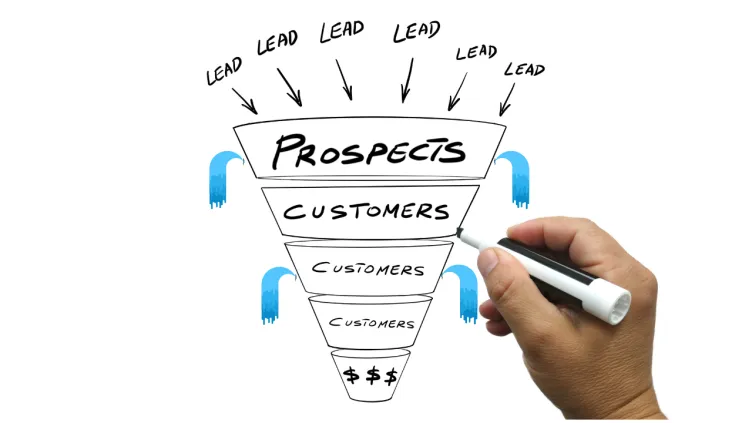
We all heard the saying “the fortune is in the follow-up.” But in the Manual Era, the follow-up is often where leads go to die. iHomefinder (2026) reports that most agents don’t struggle with generating leads; they struggle with managing them effectively. Statistics show that the odds of qualifying a lead drop by 400% if you wait just 10 minutes to respond compared to responding within 5 minutes. In a world where consumers expect instant gratification, a manual lead management system is a recipe for disaster. If your process involves waiting for an email notification, reading it, and then manually dialing the number or sending a “personalized” text (which is actually just a template you’ve used a hundred times), you’re already too late. While you were finishing your coffee, an automated competitor using tools highlighted by Parseur (2025) has already sent that lead a personalized greeting, a link to schedule a call, and a PDF of the property details. This isn’t just about speed; it’s about the perception of professionalism. When a business responds instantly, it signals to the client that they are a priority. When you respond three hours later because you were “in a meeting,” you’re signaling that you’re too busy to handle their business.
The Human Cost: Burnout and the “Great Resignation” of Real Estate

The toll of the Manual Era isn’t just financial. It’s deeply personal. Real estate has always been a high-stress industry, but the added burden of administrative “busy work” is pushing many talented agents to the breaking point. Data from the National Association of Realtors (NAR) (2025) and REDX (2024) suggest that burnout is a leading cause for agents leaving the profession within their first two years. In 2024 alone, nearly half of all licensed agents sold zero to one property, often due to the sheer overwhelm of manual processes. When you spend your day fighting with technology rather than talking to people, it’s easy to lose sight of why you joined the industry in the first place. The mental load of remembering to “send that one email” or “check that one document” creates a constant state of low-level anxiety. This “always-on” manual culture prevents agents from ever truly disconnecting, leading to strained relationships and a diminished quality of life. Humanizing your business doesn’t mean doing everything yourself; it means automating the robotic tasks so you can be more human with your clients.
Deep Dive: The Psychological Toll of Manual Overload
To truly understand why the Manual Era is so damaging, we have to look beyond the clock and into the mind of the real estate professional. Psychology tells us that “decision fatigue” is a real phenomenon. When you spend your morning making micro-decisions like which folder to save a file in, whether you’ve BCC’d the right person, or which template to use for a follow-up, you are depleting the mental energy you need for high-stakes negotiations later in the day. As discussed by Hartman Advisors (2025), this is why automation isn’t just a time-saver; it’s a performance-enhancer. It clears the “mental clutter,” allowing you to stay sharp for the moments that actually determine your commission. Furthermore, the “always-on” nature of manual work creates a culture of urgency without importance. Because you know you have to manually handle every lead, you feel the need to check your phone every five minutes, even during dinner with your family. This leads to a state of chronic stress that researchers have linked to decreased creativity and empathy the very traits that make a great real estate AI agent. Automation provides “permission to disconnect.” When you know your systems are handling the initial outreach and the document tracking, you can finally put your phone away and be present in your life.
Case Study: The Cost of a “Missed” Lead
Let’s put some numbers to this. Imagine you are a mid-career agent with an average commission of $10,000. On average, you receive 20 leads per month from various sources. In a manual system, your response time averages 45 minutes, and your conversion rate is roughly 2%. That means you’re closing 0.4 deals per month from those leads. Now, let’s look at an automated competitor. Their system responds in 30 seconds. Because of the “speed to lead” advantage, their conversion rate jumps to 5%. They are now closing 1 deal per month from the same 20 leads. Over the course of a year, the manual agent earns $48,000 from these leads, while the automated agent earns $120,000. That $72,000 difference is the “Manual Tax” , the price you pay for refusing to upgrade your systems. As Archiz Solutions (2025) points out, manual data entry doesn’t just slow you down; it actively drains your potential revenue.
The PropTech Revolution: Welcome to the Automation Era
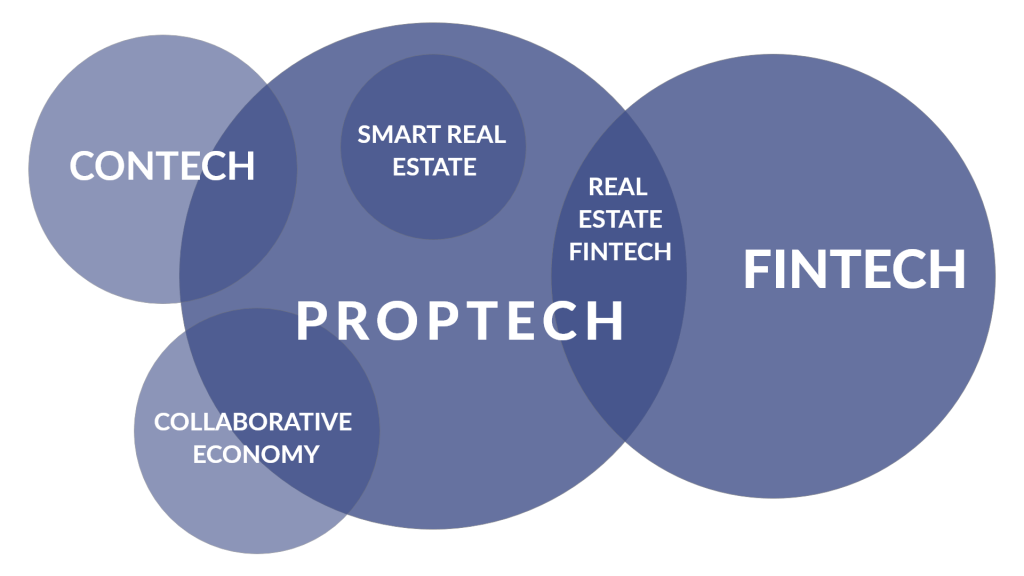
So, what does the alternative look like? We are currently in the midst of a PropTech (Property Technology) revolution that is fundamentally changing how real estate is bought and sold. The “Automation Era” isn’t about replacing agents with robots; it’s about empowering agents with “agentic” systems that handle the heavy lifting.
Intelligent CRM Systems
Modern CRMs are no longer just digital Rolodexes. They are active participants in your business. Imagine a system that automatically pulls lead data from Zillow or your website, categorizes the lead based on their behavior, and triggers a specific nurturing sequence without you lifting a finger. These systems can even use AI to “read” the sentiment of an incoming email and suggest the best response.
Document and Transaction Management
The days of “print, sign, scan, repeat” are over. Automated transaction management platforms can now track every contingency, send reminders to all parties involved, and ensure that every document is signed and filed in the correct order. This reduces the closing time and significantly lowers the risk of compliance issues.
AI-Powered Lead Nurturing
AI “concierges” can now handle initial inquiries 24/7. They can answer basic questions about a listing, qualify the lead’s budget and timeline, and even book a viewing directly onto your calendar. By the time you actually speak to the lead, they are warmed up and ready to move forward.
Overcoming the “Technophobia” Barrier
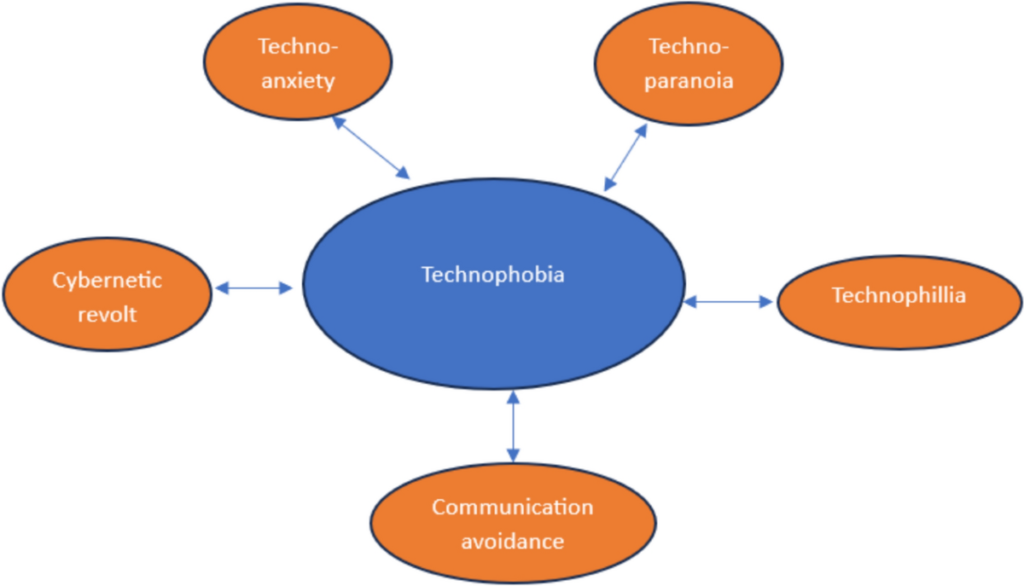
One of the biggest reasons agents stay stuck in the Manual Era is a simple, honest fear of technology. Many veteran agents feel that they are “not tech-savvy” and that trying to learn a new system will take more time than it saves. This is a valid concern, but it’s based on an outdated view of software. The tools of 2026 are designed with user experience at the forefront. You don’t need to be a coder to set up an automated workflow; most platforms now use “no-code” visual builders that are as easy to use as a smartphone app.Think of it like moving from a manual transmission car to an automatic. Yes, there’s a slight learning curve as you figure out where the gear shift is, but once you’re on the road, the experience is smoother, faster, and much less exhausting. The goal of PropTech is to be invisible. It should work in the background so you can focus on the road ahead. If you can use Facebook or send a text message, you have the technical skills necessary to automate 80% of real estate business.
Transitioning Out of the Manual Era: A Practical Guide
If you’re feeling overwhelmed by the idea of “automating everything,” don’t worry. You don’t have to change your entire business overnight. The key is to identify your biggest bottlenecks and tackle them one by one.
Audit Your Time
For one week, track every task you do. Note which tasks require your unique expertise (negotiating, building relationships) and which ones are repetitive and administrative. These repetitive tasks are your first candidates for automation.
Centralize Your Data
Stop using three different spreadsheets and a notebook. Choose one central platform (a CRM) to be the “source of truth” for your business. If it isn’t in the CRM, it doesn’t exist.
Automate the “First Touch”
Set up an automated response for every lead source you have. Even a simple “Thanks for reaching out, I’ll be with you shortly” is better than silence, but a sophisticated response that offers value (like a buyer’s guide) is even better.
Embrace Integration
Use tools like Zapier or built-in integrations to make your different software “talk” to each other. When a lead signs a contract in DocuSign, your CRM should automatically update their status to “Under Contract.”
The Role of AI in 2026: Beyond the Hype
We can’t talk about the end of the Manual Era without mentioning Artificial Intelligence. In the past couple of years, AI has moved from a futuristic concept to a practical tool. In real estate, AI is now being used for “Predictive Analytics.” This means your CRM can analyze your database and tell you which of your past clients is most likely to sell their home in the next six months based on their online behavior and life milestones. Instead of manually calling everyone in your database for a “check-in,” you can focus your efforts on the 10 people who are actually ready to move. This is the ultimate expression of the Automation Era: using technology to tell you who to talk to and when to talk to them, so your human interactions are as impactful as possible.
Why “Humanize” Through Automation?

It might sound like a contradiction, but automation is the key to humanizing your business. When you aren’t stressed about paperwork, you have more patience for a nervous first-time buyer. When you aren’t rushing to type a lead into a CRM, you can spend an extra ten minutes listening to a seller talk about the memories they made in their home. Humanization is about empathy, connection, and trust. None of those things can be automated, but they all require time. By automating the robotic parts of your job, you are literally buying the time you need to be a better human for your clients. In a world that is becoming increasingly digital, the “human” element is your greatest competitive advantage. Don’t let it get buried under a pile of manual tasks.
The Future of Real Estate: High Tech Meets High Touch
As we look toward 2026 and beyond, the most successful real estate businesses will be those that master the balance of “High Tech” and “High Touch.” Automation handles the “Tech,” allowing you to focus on the “Touch.” In a world where AI can generate a property description in seconds, the value of a human agent lies in their empathy, their local knowledge, and their ability to navigate the emotional complexities of a real estate transaction. Clients don’t want to work with a robot, but they also don’t want to work with an agent who is constantly disorganized and slow to respond. By stepping out of the Manual Era, you aren’t losing your personal touch; you’re gaining the capacity to provide a premium experience that manual competitors simply can’t match.
Conclusion
The transition from the Manual Era to the Automation Era is no longer a luxury; it’s a necessity for survival in a modern market. We’ve seen how manual processes lead to wasted time, lost leads, and agent burnout. Conversely, we’ve seen how embracing PropTech can streamline operations and allow you to focus on what truly matters: building relationships and closing deals. The “Manual Era” was about working harder; the “Automation Era” is about working smarter. It’s time to put down the spreadsheets, stop the “copy-paste” madness, and start building a business that works for you, rather than the other way around. Your future self and your bank account will thank you for making the leap today.