
Introduction
A recent 2026 analysis by McKinsey & Company estimates that agentic AI could unlock between $430 billion and $550 billion in annual value for the global real estate industry. However, the report emphasizes a critical pivot: the most significant gains will not come from simply “piloting use cases” or bolting AI onto existing tasks, but from the wholesale redesign of operational workflows.
This shift marks the transition from passive assistance to autonomous orchestration, where AI systems no longer just summarize leases or draft emails, but actively manage entire domains—from maintenance and leasing to asset management.
The real estate industry has long been defined by its complexity: a high-stakes environment characterized by multi-step processes, mountains of paperwork, and a heavy reliance on human coordination. For decades, the goal was simply to “digitize” these tasks—replacing paper with PDFs and manual entries with cloud databases.
This isn’t just about faster emails or automated reminders; it’s about an advanced layer of automation that can think, reason, and act. AI agents are fundamentally reshaping the real estate landscape by providing an intelligent execution layer that manages the entire property life cycle. Instead of waiting for a human to trigger a process, these autonomous systems can identify a need—such as a sensor flagging a leak—and independently coordinate the entire resolution, from vendor dispatch to resident notification.
The Evolution of Automation: Why Traditional Chatbots Are No Longer Enough
The term “automation” is often used loosely, but in the advanced layer of real estate, there is a clear hierarchy of intelligence. To understand where the industry is heading, we must first distinguish between the tools of yesterday and the agents of tomorrow.
What Defines a True AI Agent?
Unlike traditional software that follows rigid “if-then” logic, a true AI agent is designed to perceive its environment, process complex information, and take autonomous actions to achieve a specific goal. In real estate, this means an agent doesn’t just notify you of a new lead; it engages the lead, qualify them based on your specific criteria, and schedule a showing without you ever touching your keyboard. It acts as a digital worker, connecting your CRM, MLS, and marketing platforms into a single, cohesive brain.
AI Agents vs. Standard Workflow Automation
The difference between basic automation and agentic AI is the difference between a tool and a teammate. While standard workflows are excellent for repetitive, linear tasks, they break down when faced with the nuance and unpredictability of real estate transactions.
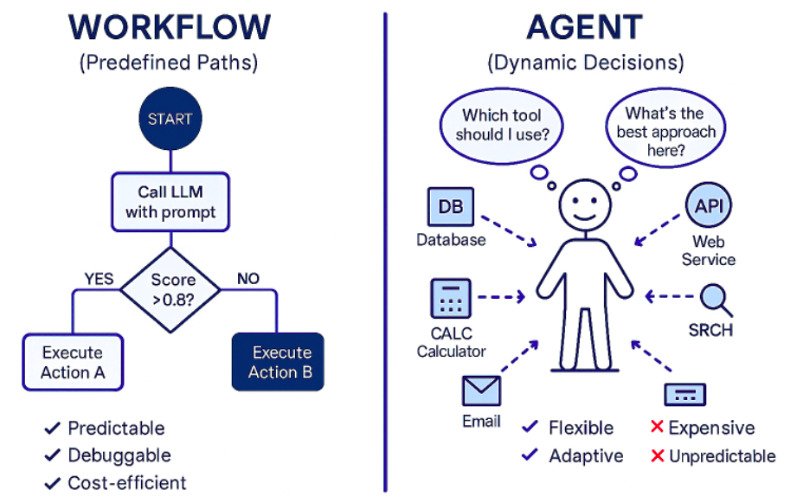
- Decision-Making Capabilities: Traditional automation is binary; it follows a path. AI agents are context-aware, meaning they can adjust their “thought process” based on a client’s tone, a sudden market shift, or a change in property status.
- Memory and Context: Most chatbots start every conversation from zero. AI agents maintain a persistent memory. They remember that a buyer looked at a three-bedroom ranch last month and can proactively suggest a similar listing that just hit the market today.
- Executive Action: While a chatbot might answer a question about HOA fees, an AI agent can actually draft the addendum, send it for signature, and update the transaction folder in your CRM.
The 5 Technical Layers of an Advanced Real Estate AI Ecosystem
To achieve full life cycle automation, an AI system must be built on a robust, multi-layered architecture. This “Advanced Layer” is what separates a gimmick from a mission-critical business system.
- The Factual Layer (The Foundation of Truth): This is the bedrock of the system. It ensures that all data—property details, lease terms, vendor contacts, and market stats—is clean, synchronized, and reliable across every platform you use.
- The Orchestration Layer (The Brain): This layer handles the planning and routing. It identifies triggers (like a signed contract) and determines the logic of what happens next, including knowing exactly when to hand the task back to a human for final approval.
- The Action Layer (The Execution Engine): This is where the work happens. This layer is securely integrated into your software stack, allowing the AI to create tickets, schedule inspections, and log outcomes directly into your property management system.
- The Control Layer (The Governance): In a regulated industry like real estate, safety is paramount. The control layer manages permissions, audit trails, and risk parameters, ensuring the AI never acts outside of its authorized scope.
- The Building-Block Layer (Atomic Agents): Advanced systems are composed of “atomic agents”—small, specialized AI units designed for specific tasks (e.g., “The Lease Abstractor” or “The Stakeholder Updater”). These blocks can be combined to create infinitely complex, custom workflows.
Automating the Full Life Cycle: From Lead Capture to Closing and Beyond
The true power of agentic AI is realized when it is applied across the entire real estate journey. By automating the “sludge” of administrative work, professionals can return to what they do best: building relationships and closing deals.

Lead Generation: Intelligent Prospecting and Real-Time Qualification
- Instant Engagement: AI agents can handle initial inquiries 24/7 across SMS, email, and web chat, ensuring no lead ever goes cold.
- Smart Qualification: By asking targeted questions about budget, timeline, and intent, the agent scores leads so you only spend time with the most serious prospects.
- Hyper-Personalized Nurturing: Instead of generic newsletters, the agent sends tailored market updates and listings that match the specific “DNA” of the buyer’s search history.
Property Valuation: Predictive Analytics and Dynamic Pricing
- Real-Time Market Analysis: AI agents process thousands of data points—from recent comps to interest rate trends—to provide a valuation that is far more accurate than a traditional CMA.
- Predictive Forecasting: Advanced agents can identify emerging neighborhood trends, helping investors spot “up-and-coming” areas before they become mainstream.
- Dynamic Pricing for Rentals: For property managers, AI can adjust rental rates in real-time based on local demand and seasonality to maximize NOI.
Transaction Coordination: Meticulous Management and Compliance
- Automated Document Review: An AI agent can scan a 50-page lease or contract in seconds, flagging missing signatures or clauses that deviate from your standard operating procedures.
- Workflow Orchestration: Once a contract is signed, the agent automatically triggers the appraisal, schedules the inspection, and notifies the title company, keeping the deal on a strict timeline.
- Compliance Guardrails: The system ensures that every document is filed correctly and every disclosure is sent, minimizing the risk of legal complications.
Property Management: Proactive Maintenance and Tenant Care
- Predictive Maintenance: By integrating with IoT sensors, AI agents can detect an HVAC unit’s struggle before it fails, automatically dispatching a technician and notifying the tenant.
- 24/7 Tenant Support: Routine requests—from “how do I pay rent?” to “my sink is leaking”—are handled instantly, with the AI only escalating complex issues to the manager.
- Lease Renewal Automation: The agent tracks expiration dates and proactively reaches out to tenants with renewal offers based on current market rates.
The Multi-Agent Symphony: How Specialized AI Agents Collaborate
In the advanced layer, we move away from a single “do-it-all” AI and toward a Multi-Agent System (MAS). This is where a group of specialized agents works together like a well-conducted orchestra.
Imagine a scenario where a Lead Agent captures a new inquiry. It doesn’t just stop there. It passes the baton to a Research Agent, who pulls a full market report for that specific property. The Research Agent then hands the data to a Creative Agent, who drafts a personalized pitch deck. Finally, a Communication Agent sends the deck to the client and sets a reminder for the human broker to follow up. This level of collaboration allows for a “high-touch” feel at a “high-tech” scale.
The Business Impact: Tangible Benefits of the Advanced Automation Layer
Implementing this advanced layer isn’t just a tech upgrade; it’s a strategic move that impacts the bottom line.
- Operational Scalability: You can double your portfolio or deal volume without doubling your headcount. The AI handles the linear growth of paperwork while you handle the exponential growth of relationships.
- Reduced Human Error: By automating data entry and document checks, you eliminate the “oops” moments that can delay closings or lead to compliance fines.
- Enhanced Customer Experience: In a world of “instant,” clients expect immediate answers. AI agents provide that gratification, making your business appear more professional and responsive than the competition.
- Data-Driven Strategy: With an AI agent constantly analyzing your data, you move from “gut feeling” to “data-backed” decisions on everything from marketing spend to pricing.
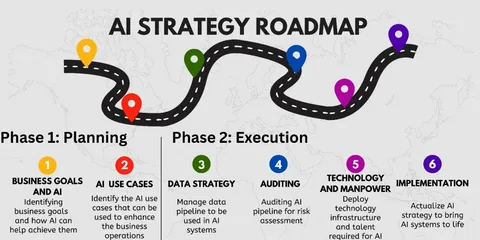
Implementing Agentic AI: A Strategic Roadmap for Real Estate Leaders
Transitioning to an agentic model requires more than just buying software; it requires a shift in mindset.
Identifying High-Impact Use Cases
Don’t try to boil the ocean. Start by identifying the “sludge”—the tasks that take up 80% of your team’s time but provide the least amount of joy or strategic value. This is usually lead qualification, transaction coordination, or maintenance routing.
The Importance of Data Integrity
Your AI is only as smart as the data it can access. Before deploying agents, ensure your “Factual Layer” is solid. Clean up your CRM, ensure your MLS feeds are integrated, and centralize your document storage.
Fostering Human-AI Collaboration
The future of real estate isn’t “AI vs. Human”; it’s “Human + AI.” The goal is to let the AI handle the steps so the humans can focus on the thoughts. Training your team to work alongside these agents is just as important as the technology itself.
Navigating the Challenges: Ethics, Privacy, and Human Oversight
With great power comes great responsibility. Real estate professionals must be mindful of the ethical and security implications of AI.
- Data Privacy: Ensure your AI providers are compliant with regulations like GDPR or CCPA. Client data must be encrypted and handled with the highest level of security.
- Bias Mitigation: AI models can inherit biases from their training data. It is crucial to regularly audit your agents to ensure they aren’t inadvertently discriminating in lead scoring or tenant screening.
- The “Human in the Loop”: Never let the AI be the final word on high-stakes decisions. Always maintain a “Control Layer” where a human must sign off on major actions, such as final contract approvals or large vendor payments.
Conclusion
The integration of AI agents into the real estate industry represents the most significant technological leap since the invention of the internet. By moving beyond basic automation into the advanced layer of full life cycle orchestration, businesses are redefining what it means to be efficient.
For the modern real estate professional, the choice is clear: continue to be bogged down by the administrative weight of the industry, or embrace the agentic future. Those who adopt these advanced layers of automation will not only save time and money—they will provide a level of service that was previously impossible, setting a new standard for success in the modern market.
Pingback: How AI Agents Do Automation for Real Estate Business – growyourbusinesshub.com